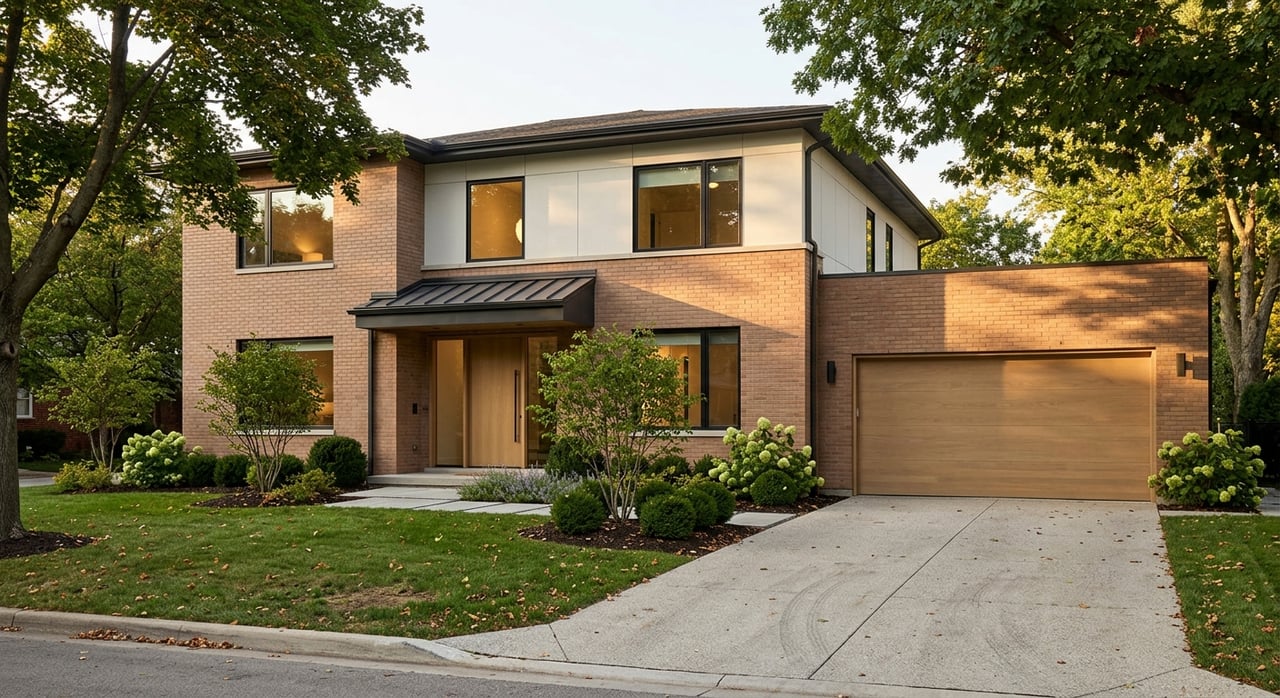
Buying a Home in Troy MI: New Builds vs Established Streets
June 4, 2026
June 4, 2026
If you are weighing new construction against an established Troy street, you are not choosing between two completely different markets. In Troy, you are usually choosing between a more standardized, maintenance-light product and a wider mix of older homes, lot setups, and neighborhood rules. That can feel like a lot to sort through, especially when budget, commute, taxes, and upkeep all matter at once. This guide will help you compare both paths clearly so you can buy with more confidence. Let’s dive in.
Troy is not a city with endless open land and wave after wave of brand-new subdivisions. The city’s comprehensive planning documents describe Troy as nearly built out to its municipal boundaries, which means true new construction tends to show up in targeted communities or as infill on individual lots.
That matters because your options are more nuanced than “old neighborhood versus brand-new suburb.” In Troy, you may be comparing a newly built townhome, a detached infill home on a single lot, or an older ranch, colonial, tri-level, or bungalow on an established street.
The local market also points to a stable ownership base. Recent Census QuickFacts show Troy with an estimated 2024 population of 89,209, an owner-occupied rate of 73.3%, a median owner-occupied value of $420,300, and an average commute of 23.7 minutes. If you are buying here, long-term carrying costs and day-to-day convenience are worth looking at closely.
If you picture new construction as a huge subdivision with dozens of similar single-family homes, Troy may surprise you. Current new-build options are more concentrated, with a mix of planned attached communities, detached infill homes, and higher-end custom construction.
One current example is Village of Troy by Robertson Homes. That community includes 2- to 3-bedroom townhomes and 3-bedroom condos ranging from about 1,327 to 1,820 square feet, with attached garages and monthly HOA dues between $265 and $325. The dues cover exterior maintenance, landscaping, and snow removal, and the builder also notes a one-year warranty.
Price points vary more than many buyers expect. Quick move-in homes in that community start in the upper $300,000s and reach roughly $596,945, while other new-construction examples in Troy include a 2025-built detached home listed at $625,000 and luxury new builds above $1 million.
That range is important. In Troy, new build does not always mean the same thing.
Some buyers also like the finish predictability that comes with new construction. Certain builder listings note that upgrades are already included in the price, which can make budgeting feel more straightforward.
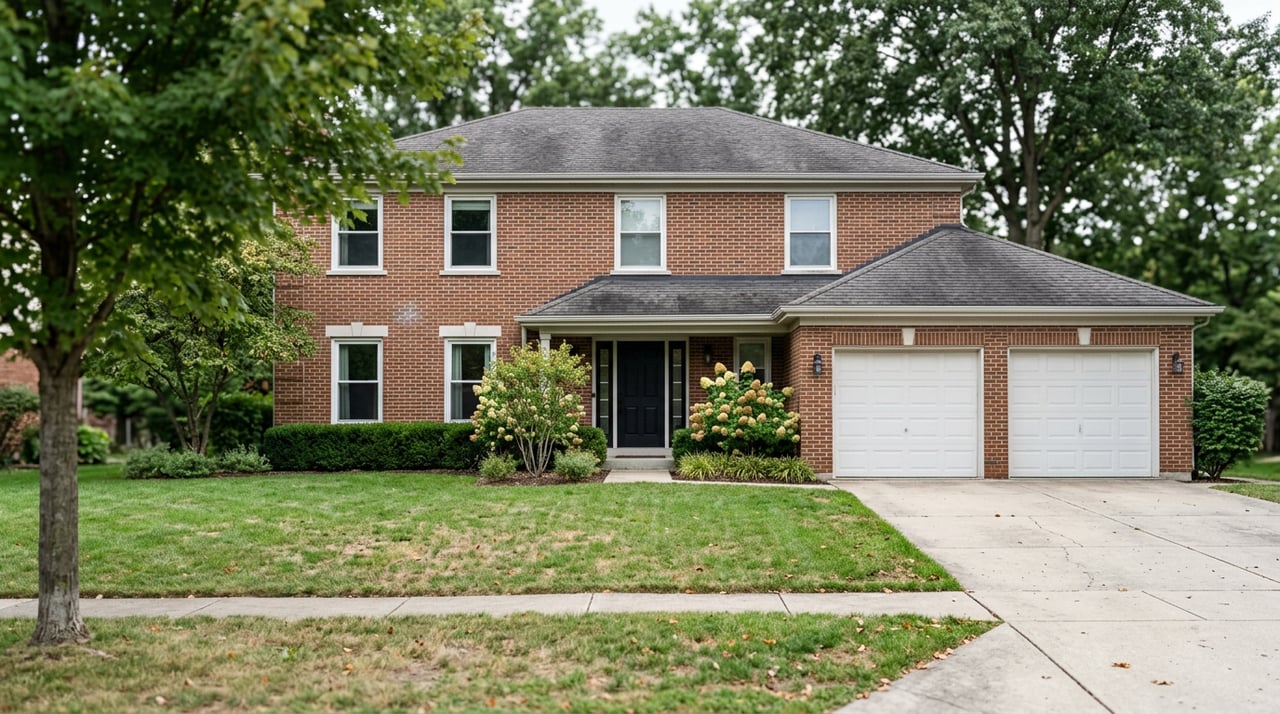
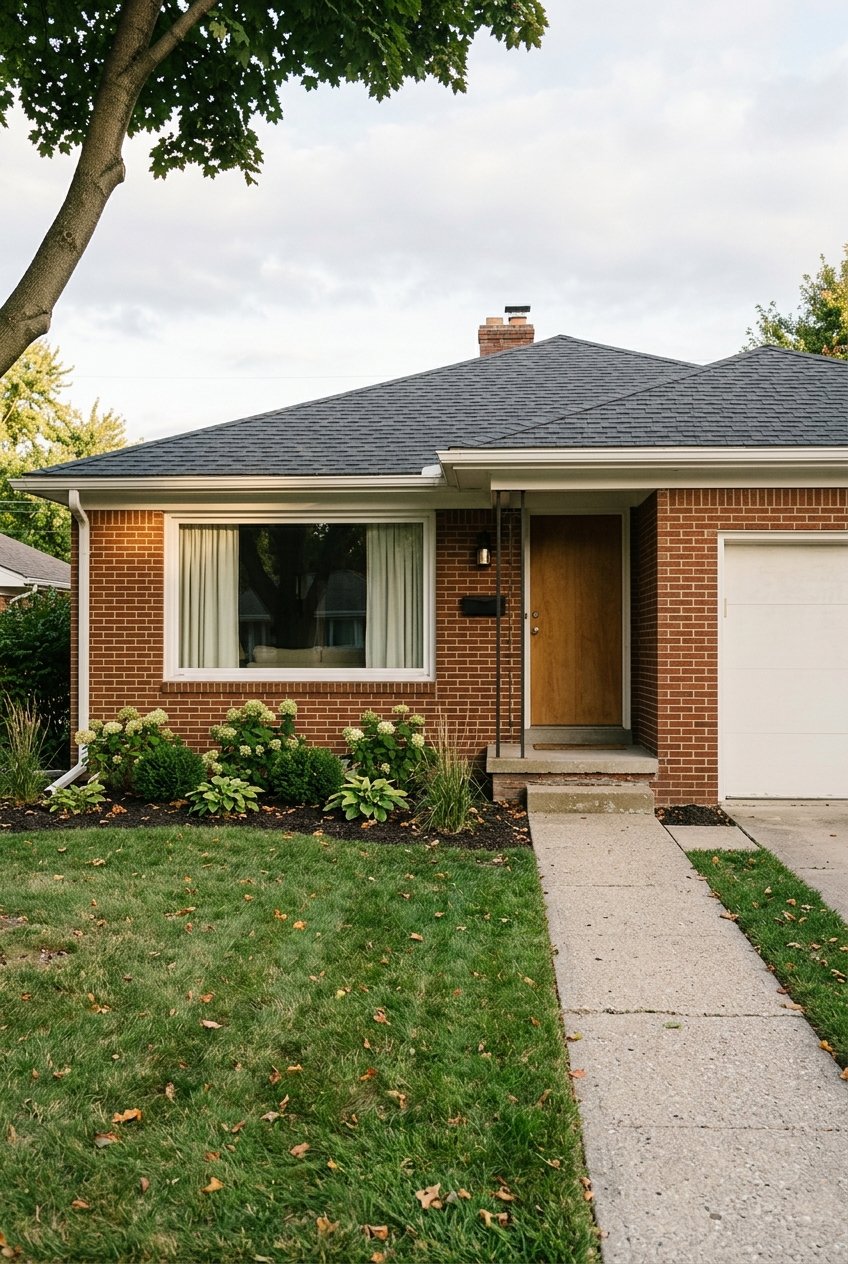
Established Troy neighborhoods give you more variety. Recent city sales data shows homes built from the 1930s through the 1990s, along with newer infill homes from 2018, 2019, and 2023. You are not shopping one single “classic Troy” style. You are choosing among several eras of development.
That broader mix can open up more options in layout and architecture. Depending on the street, you may find ranches, colonials, tri-levels, and bungalows, each with different room flow, exterior style, and update needs.
Price also overlaps more than buyers sometimes assume. Recent city closings range from a 1948 tri-level at $330,000 to newer colonials from 2019 and 2023 in the mid-$800,000s and higher. In other words, age alone does not determine value in Troy.
It is easy to assume a home on an older street comes with fewer rules. Sometimes that is true, but not always. Hickory Heights Woods, for example, has an HOA dating back to 1968 that manages 144 homes and oversees park space, common areas, and exterior-change standards.
The bigger difference is usually variation. Newer communities often have more standardized dues and expectations, while established neighborhoods can differ widely from one subdivision to the next.
When buyers compare both options in Troy, the decision usually comes down to a few practical categories.
Troy’s median owner-occupied home value is $420,300. Many new-build options land near or above that level, especially once you move from attached housing into detached homes.
That does not automatically make older homes the better value. It means you need to compare the full monthly picture, including mortgage payment, taxes, HOA dues if any, and likely upkeep.
Troy’s mean travel time to work is 23.7 minutes. That makes location inside the city a meaningful part of the decision, especially if you commute across Metro Detroit.
A newer home with easy access to major roads may fit your routine better than an older home farther from your preferred route. On the other hand, an established street may offer a location pattern or neighborhood layout that better fits how you want to live day to day.
This is one of the biggest points buyers should not oversimplify. Troy’s millage information shows that property tax bills depend on city, county, and school millage, and school millage rates vary by district and property type.
That means you should not estimate taxes based only on the asking price. Two homes with similar prices can carry different tax realities depending on the parcel and district details.
This is often the clearest lifestyle tradeoff. In a newer attached community, monthly dues may cover exterior maintenance, landscaping, and snow removal, which can reduce the amount of hands-on work you handle yourself.
On an established street, you may have fewer ongoing dues or different subdivision rules, but you may also carry more direct responsibility for maintenance and exterior care. Neither path is better for everyone. It depends on how much control and how much convenience you want.
If you want a cleaner, more predictable purchase experience, a new build may feel easier. You may get a more current finish package, fewer immediate repair items, and in some cases a warranty-backed product with known HOA services.
If you want more housing variety, established streets may give you more to choose from. You can compare different home styles, lot setups, and neighborhood patterns instead of selecting from a narrower builder offering.
Lot size is one area where buyers should stay flexible. Some new homes in Troy are attached community properties with more standardized site layouts. Others are detached infill homes on individual lots.
A current example is a 2025-built detached home on Cecil Drive listed on a 0.33-acre lot. That shows that new construction in Troy can still offer a meaningful yard, but it is not something to assume across the board.
Established streets may offer more variation in lot size and layout, simply because the housing stock spans so many decades and subdivision patterns. If yard space is high on your list, this is worth checking early in your search rather than treating it as a tie-breaker later.
In a market like Troy, the best approach is to compare homes by total fit, not by age alone. A well-located older home may outperform a newer one for your routine, while a new townhome may offer lower day-to-day stress than an older detached property.
A strong comparison should include:
Because Troy is largely built out, the choice is usually not between “all-new” and “all-old.” It is about finding the right balance between predictability and variety, convenience and autonomy, and finish level and long-term carrying cost.
If you are trying to sort through those tradeoffs, a neighborhood-by-neighborhood strategy can save time and help you focus on the homes that truly match your goals.
Ready to compare Troy homes with a sharper strategy? Connect with Jerome Dixon for thoughtful, data-informed guidance tailored to your budget, priorities, and preferred lifestyle.
Stay up to date on the latest real estate trends.


Whether it's finding the perfect dream home, selling a property at the best possible price, or identifying lucrative investment opportunities, Jerome's tireless efforts and commitment to delivering exceptional value make him the go-to Real Estate Agent in Birmingham. Contact him today!