Bloomfield Township Lakefront Living: What Buyers Should Know
July 16, 2026
July 16, 2026
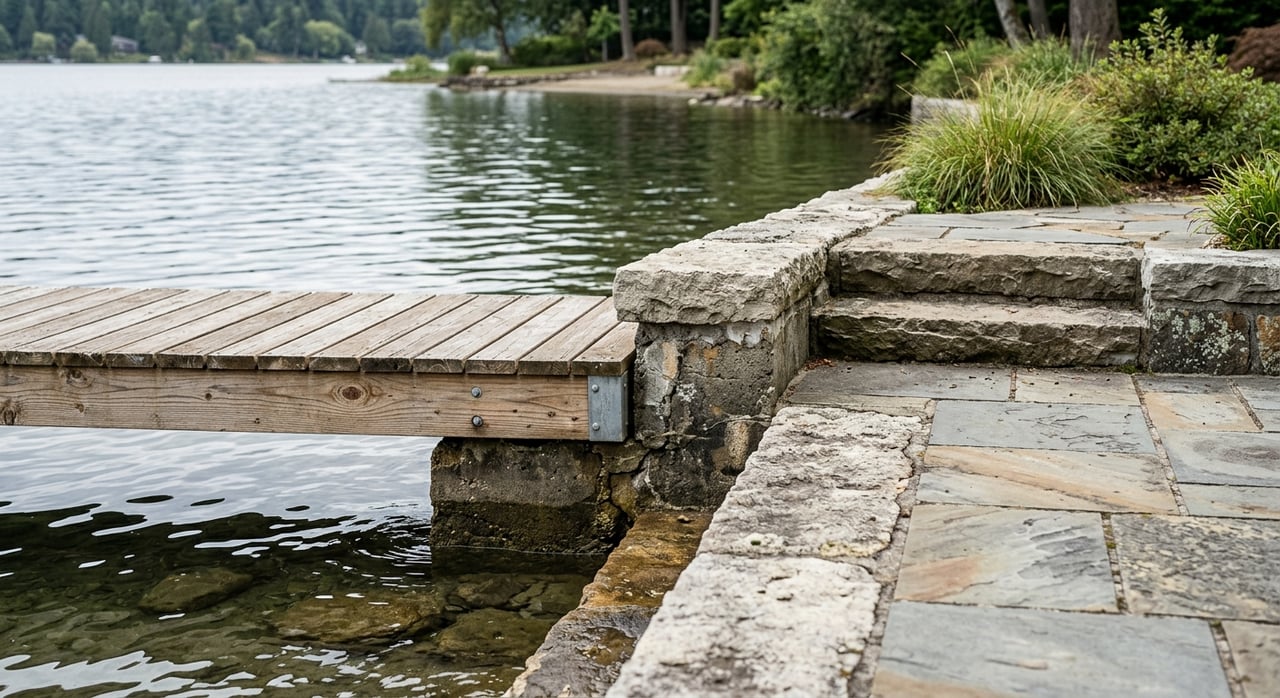
If you are dreaming about waking up to water views in Bloomfield Township, you are not alone. Lakefront homes here can offer privacy, scenery, and direct access to the water, but they also come with rules and responsibilities that many buyers do not see in a typical suburban purchase. Before you fall for the view, it helps to understand how Bloomfield Township lakefront living really works. Let’s dive in.
Bloomfield Township’s lakefront market is built around inland lakes in a mostly residential setting. According to the Township, there are 19 lakes, and they are private, with no public boating or swimming access.
That private setup shapes the ownership experience. You are not just buying a house near the water. You are buying into a very specific lake, subdivision, and set of expectations that can vary from one address to the next.
The lakes themselves are also not one-size-fits-all. Township planning documents describe some as shallow and warm with more plant growth, while others are deeper and cooler with less vegetation. For you as a buyer, that can affect water clarity, shoreline conditions, and the kind of upkeep a property may need over time.
Lakefront supply is also limited, which helps explain why these homes have historically carried higher values than similar non-lake properties in the Township. If you are shopping in this segment, it is worth treating each home as a highly individual asset rather than assuming every waterfront listing offers the same lifestyle.
A key term in Bloomfield Township lakefront ownership is riparian rights. The Township defines a riparian owner as someone whose parcel borders a natural body of water.
Those rights generally include access to and reasonable use of the water. However, Township guidance also makes clear that a riparian owner cannot authorize non-riparian use of the water. In simple terms, access is tied to the parcel, and the rules matter.
This is one reason buyers should ask detailed questions early. A home may have beautiful frontage, but how you use the shoreline, place equipment, or host others around the water can still be shaped by legal and community rules.
The Township also places special emphasis on stewardship. Lakefront owners are expected to help keep pollutants out of the water, which makes everyday decisions about landscaping, runoff, and maintenance more important than they might be on an off-lake lot.
One of the most common points of confusion is the difference between Township regulation and private subdivision control. Bloomfield Township states that homeowners associations and Township zoning are separate from each other.
That means deed restrictions are privately regulated by the subdivision association, not by the Township. It also means a project that appears acceptable under zoning may still run into HOA limits or review requirements.
This matters because the Township notes that permit applications may require subdivision or HOA approval before a permit is issued. If you are planning changes to the home, shoreline, or lot, you will want to review both sets of rules before closing, not after.
A smart buyer should request:
Some Bloomfield Township lakes have another layer of local oversight. The Township says it has eight established lake boards that oversee items such as aquatic weed control, nuisance control, water-quality improvements, and educational activities.
These boards do more than share information. The Township’s 2021 newsletter explains that lake boards can set property assessment amounts to fund projects, and they meet publicly to review work and water-quality reports.
For you, that means ownership costs may include lake-related assessments beyond standard property expenses. It also means the condition and management of a lake may reflect an ongoing public process rather than informal neighbor decisions.
Before you buy, ask for:
Not every Bloomfield Township lake allows the same activity. Township guidance notes that local watercraft controls apply on certain lakes, including slow-no-wake rules.
The Township has also pursued no-motorboat ordinances on larger waterbodies such as Wing Lake, Gilbert Lake, Forest Lake, Lower Long Lake, and Island Lake. That means the lake lifestyle you picture may or may not match the reality of a specific address.
If boating is part of your plan, verify the rules for that exact lake before you move forward. A property can still be highly desirable for views, paddling, or quiet enjoyment, but the permitted use should fit the way you want to live.
Waterfront equipment is another area where assumptions can create headaches. Michigan EGLE says seasonal docks, boat hoists, and swim rafts used for private, non-commercial purposes and removed at the end of the boating season generally do not need permits.
Permanent docks or year-round hoists do require permits. EGLE also notes that spring and summer are the busiest review seasons, which can affect timing if you plan improvements soon after closing.
This is why buyers should confirm whether existing features are seasonal or permanent. You should also ask whether any planned replacement, expansion, or new installation would trigger EGLE or Township approval.
A lakefront yard is not just a backyard with a better view. Shoreline improvements often fall under additional rules, and the work can be more technical than it appears.
EGLE advises that new shoreline hardening should be avoided when plantings or natural stone can work. It also notes that vertical walls can create negative habitat and erosion effects. In many cases, seawall replacement, beach sanding, dredging, or other shoreline protection work may require permits.
Bloomfield Township’s riparian guidance adds more activities to the list of permitted work, including dredging, filling bottomland, placing structures on bottomland, altering the natural flow of a lake or stream, building marinas, and filling or dredging adjacent wetlands.
If a property needs shoreline stabilization or you want to rework the water’s edge, factor in time, cost, and approvals. This is an area where lakefront-savvy professionals can save you from expensive surprises.
Routine maintenance has a bigger impact when your property meets the lake. Bloomfield Township guidance calls for a minimum 25-foot buffer with no fertilizer near the water.
The Township’s fertilizer ordinance also focuses on registered applicators, slow-release nitrogen, and low- or no-phosphorus products. These rules are designed to help protect water quality.
For buyers, this means lakefront ownership may change how you approach landscaping and lawn care. If you are used to conventional yard treatment programs, expect to ask more questions about products, application methods, and setback areas.
Many of the biggest post-closing surprises come from the lot itself, not the house. Bloomfield Township requires a soil erosion and sedimentation control permit for construction involving earth disturbance.
The Township also notes that some permits may require county approvals for septic fields, wells, and driveway culverts. In addition, the Township participates in the National Flood Insurance Program and advises buyers to verify flood-zone information parcel by parcel.
This becomes especially important if you plan to remove trees, add fill, regrade the site, or expand outdoor living areas. On a lakefront parcel, even modest site work can trigger additional review.
If the property is served by septic, maintenance is a major part of responsible ownership. Bloomfield Township recommends pumping and inspecting the tank every 3 to 5 years and keeping maintenance records.
That advice matters even more at the lake, where runoff and groundwater issues can affect water quality. A neglected system may create both cost and environmental concerns.
When evaluating a home, ask for septic records and inspection history if applicable. If documentation is missing, treat that as a due-diligence item rather than a detail to revisit later.
Buying a Bloomfield Township lakefront home usually goes more smoothly when you take a property-specific approach. The goal is not to avoid complexity. It is to understand it before you commit.
Use this checklist as a starting point:
For the right buyer, Bloomfield Township lakefront living can be a remarkable fit. You may gain the privacy, views, and direct water access that are hard to find elsewhere in the market.
At the same time, this is not a casual ownership experience. HOA review, lake-board oversight, seasonal planning, shoreline stewardship, and possible permitting delays are all part of the package.
If you value the water enough to accept those tradeoffs, the lifestyle can be well worth it. The key is making sure the property, the lake, and the rules all line up with your goals before you close.
When you are ready to compare lakefront options in Bloomfield Township and sort through the details with a neighborhood-focused advisor, connect with Jerome Dixon.
Stay up to date on the latest real estate trends.


Whether it's finding the perfect dream home, selling a property at the best possible price, or identifying lucrative investment opportunities, Jerome's tireless efforts and commitment to delivering exceptional value make him the go-to Real Estate Agent in Birmingham. Contact him today!