Detroit Loft Living Guide to Everyday Converted Spaces
June 18, 2026
June 18, 2026
Ever wonder what loft living in Detroit actually feels like once the exposed brick and tall windows stop being a photo and start becoming your daily routine? If you are thinking about buying or renting a converted space, you are probably weighing more than style. You want to know how these homes function, what the tradeoffs look like, and which Detroit districts best match the way you live. Let’s dive in.
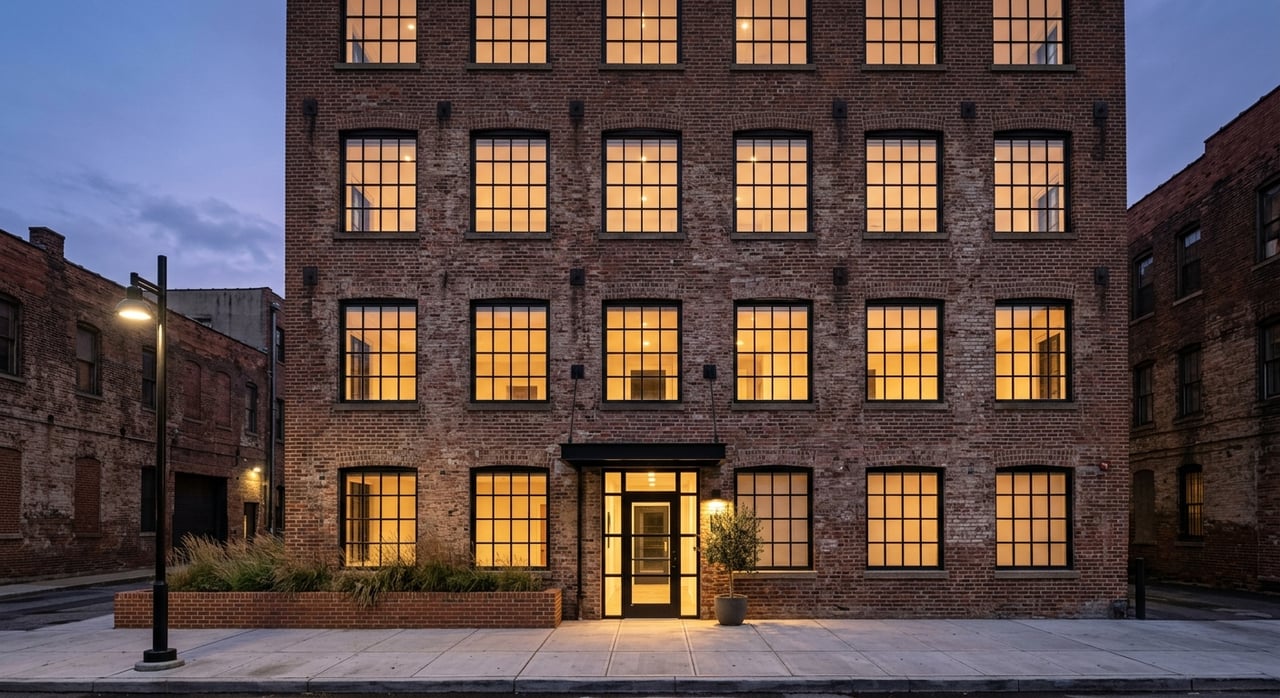
Detroit loft living is closely tied to adaptive reuse. In simple terms, that means older or underused buildings are being repurposed into residential, commercial, or maker spaces, often with updated systems and active street-level uses.
That history shapes the experience in a big way. Many Detroit lofts do not feel like a standard apartment or suburban condo. Instead, they often blend preserved industrial character with modern conveniences, giving you a home that feels connected to the city’s architectural past while still fitting today’s lifestyle.
Across Detroit loft properties, a few features show up again and again. Open layouts, large windows, and higher ceilings are some of the most common design traits, especially in areas like Midtown, New Center, and nearby core neighborhoods.
That layout can make a home feel larger and brighter. It also gives you more flexibility if you want to create separate zones for sleeping, working, dining, or entertaining without the same room-by-room structure you might expect in a traditional house.
Many Detroit lofts emphasize open-concept living. Some examples in the city highlight 13-foot ceilings, expansive industrial windows, and floor plans that leave room for multiple uses within one main living area.
For everyday life, that can be a real plus if you like natural light and a less compartmentalized layout. At the same time, you may need to think more intentionally about furniture placement, storage, and privacy since the space is often less divided.
One reason lofts stand out is that many converted buildings keep original structural elements in view. You may see exposed concrete ceilings, columns, factory-style windows, and other preserved features that give the home a more raw, architectural look.
That character is part of the appeal. It also means a loft may feel less polished or conventional than newer suburban housing, which is important if you are comparing a converted Detroit space to a more standard condo product.
Detroit loft buildings are not one-size-fits-all. Depending on the project, you may find studios, one-bedroom units, two-bedroom units, and in some cases larger or loft-specific floor plans.
That variation matters because lifestyle fit can change quickly from one building to another. A buyer who wants a compact city home will have different needs than someone looking for space to work from home or host overnight guests.
The look of a loft gets attention first, but the practical details usually shape daily satisfaction more than anything else. In Detroit examples, some buildings include in-unit laundry, bicycle storage, balconies, built-in storage, and gated or assigned parking.
Those features can change how easy the home feels on a normal weekday. If you are comparing options, it helps to look beyond finishes and ask how the unit supports your actual routine, from commuting to groceries to weekend plans.
Because loft layouts are more open, built-in storage can be especially valuable. Without as many separate rooms or closets, a well-planned unit may simply function better over time.
If you are touring converted spaces, pay attention to where coats, bikes, cleaning supplies, and seasonal items would realistically go. A dramatic interior looks great, but convenience is what makes it livable.
In-unit laundry is one of those features that tends to matter more after move-in than before. The same goes for parking, especially in Detroit’s core districts where your setup may depend on the building, nearby garages, curb parking, or a combination of all three.
Some loft properties offer assigned or gated parking, while others rely more on the surrounding parking network. That is a meaningful difference, so it is worth confirming exactly what comes with a unit before you make a decision.
If you are buying a loft in a condominium building, the ownership experience includes more than your individual unit. Michigan condominium law makes the master deed and bylaws important because they govern common elements, expense allocation, and shared responsibilities.
In practice, that means HOA dues, rules, and possible special assessments are a major part of everyday ownership. Even if you do not personally use a shared element, that does not automatically excuse you from paying common expenses tied to maintenance, repair, renovation, restoration, or replacement.
Before buying a Detroit loft condo, it is smart to review the association documents carefully. Focus on:
This is where loft living becomes less about aesthetics and more about fit. A beautiful unit in the wrong building structure can create stress, while a well-managed association can make urban ownership feel smooth and predictable.
One of the biggest shifts in loft living is mobility. In many Detroit loft districts, you are trading the private driveway or attached garage common in suburban housing for a more layered mix of parking options and transportation choices.
The City’s ParkDetroit system includes on-street meters and participating public and private garages and lots. Depending on where you live, your routine may involve building parking, city garages, curb parking, and transit rather than one dedicated parking solution.
For many residents in the downtown core, living with less car dependence is realistic. As of June 2026, the Detroit People Mover offers free rides on its 13-station downtown loop, with trains arriving in under eight minutes on average.
The QLINE also runs 3.3 miles along Woodward Avenue with 13 stops serving Downtown Detroit, Midtown, New Center, and the North End. If your work, dining, and social routine centers on those districts, loft living can support a more walkable and transit-connected lifestyle than many suburban areas.
Detroit loft living is really a neighborhood story as much as a housing story. Your day-to-day experience can feel very different depending on whether you choose Downtown, Midtown, New Center, Brush Park, Corktown, or Eastern Market.
Each district offers its own rhythm, access points, and type of convenience. That is why location should be part of your loft search from the start, not something you sort out later.
Downtown offers one of the strongest walk-first experiences in the city. Public spaces like Campus Martius and Grand Circus Park anchor a network of parks and gathering places, with features that include free Wi-Fi, dog-friendly areas, and regular programming.
If you like being close to events, public spaces, and central activity, Downtown may feel especially convenient. For many loft residents, that means a routine built around walking to parks, entertainment, dining, and everyday city energy.
Midtown and New Center function as major cultural and institutional hubs. These districts connect residents to destinations such as the Detroit Institute of Arts, MOCAD, Henry Ford Health, Karmanos Cancer Institute, the Detroit Medical Center, Wayne State University, and North Cass retail.
They also fit the loft lifestyle well because of their transit connections and existing inventory of open-concept, high-ceiling buildings. If you want a neighborhood that blends housing, culture, employment, and mobility, these areas deserve a close look.
Brush Park and Corktown are strong options if you are drawn to older urban neighborhoods with active redevelopment. City planning in Brush Park emphasizes pedestrian-friendly streets, mixed-use development, and civic space, while Greater Corktown planning focuses on preservation, inclusive growth, and improved pedestrian experience.
For residents, that often translates into a neighborhood feel that balances historic character with continued investment. If that mix appeals to you, these areas offer more than just a stylish home. They offer a front-row seat to change happening near the urban core.
Eastern Market stands out for buyers or renters who want a food-centered routine. Its Saturday market runs year-round, while Sunday and Tuesday markets operate from June through September with produce, flowers, plant vendors, packaged foods, and handcrafted goods.
That can make everyday living feel both practical and enjoyable. If you like the idea of building your week around market runs, nearby dining, and an active local business district, Eastern Market has a distinct appeal.
Detroit loft living is rarely just about design. The real tradeoff is usually this: you get more architectural character, stronger neighborhood access, and a more urban routine, but you may also have more shared-building rules and a less straightforward parking setup.
For the right buyer, that tradeoff feels worth it. If you value walkability, flexible interiors, and being close to Detroit’s core districts, a converted loft can offer a lifestyle that feels both distinctive and practical.
If you are exploring Detroit lofts, condos, or other city properties along the Woodward Corridor, Jerome Dixon can help you compare neighborhoods, building types, and everyday livability so you can make a move with confidence.
Stay up to date on the latest real estate trends.
Whether it's finding the perfect dream home, selling a property at the best possible price, or identifying lucrative investment opportunities, Jerome's tireless efforts and commitment to delivering exceptional value make him the go-to Real Estate Agent in Birmingham. Contact him today!