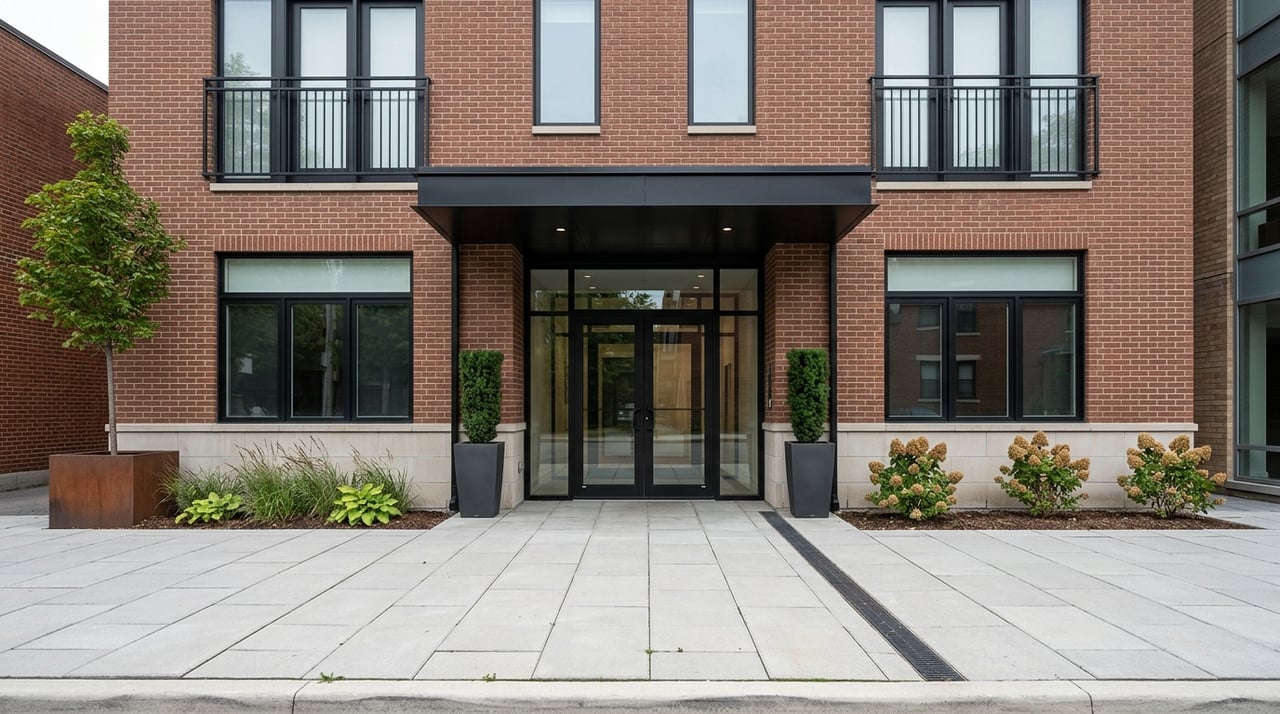
Buying A Condo In Birmingham, MI: Key Factors To Weigh
June 25, 2026
June 25, 2026
If you are thinking about buying a condo in Birmingham, MI, you are probably balancing lifestyle with long-term value. A condo can put you closer to downtown, reduce some day-to-day maintenance, and open the door to amenities that a single-family home may not offer. The key is knowing what you are really buying beyond the unit itself. Let’s dive in.
In Birmingham, condo demand tends to cluster near downtown, Old Woodward, and the Triangle District. The city’s 2040 Master Plan continues to focus on the Downtown and Triangle District areas for zoning simplification without major change, which helps reinforce these areas as the city’s core for higher-density housing.
For you as a buyer, that often means comparing a few distinct condo styles. You may see mixed-use downtown buildings, smaller boutique condo buildings, and some site condominiums in surrounding areas. Each option can create a very different ownership experience, even if the price points look similar at first glance.
A site condo deserves special attention because it can look and feel like a detached house. Under Michigan law, though, it still operates under the Condominium Act and its own condo documents. That means you should treat it like a condo purchase, not like a traditional fee-simple house purchase.
One of the biggest reasons buyers choose a Birmingham condo is convenience. Downtown is the city’s walkable core, and for many buyers, that means easier access to restaurants, shopping, and errands within a short drive or walk.
That convenience usually comes with trade-offs. A condo often gives you shared maintenance and a more lock-and-leave lifestyle, but it may offer less yard space, less exterior control, and more shared decision-making than a single-family home.
In many buildings, you are also sharing major components like roofs, pipes, wires, and heating systems with other owners. That is why the quality of the association, the reserve fund, and maintenance planning matter just as much as the finishes inside the unit.
Birmingham condo buyers will also notice that amenity packages can vary widely. Some current downtown residential projects highlight features like concierge service, pet-friendly policies, EV chargers, underground parking, residents-only elevator access, rooftop gathering space, and private underground parking.
Those features can be attractive, but you should never assume they come standard across the market. Marketing language gives you a starting point, not a guarantee. The building’s governing documents and confirmed property details are what matter most.
Monthly dues are one of the first numbers buyers compare, but the headline amount only tells part of the story. In Michigan condos, the master deed assigns each unit an ownership percentage, and that percentage helps determine monthly maintenance fees, special assessments, and voting rights.
The association sets monthly fees and can assess owners for repairs to common elements. If fees go unpaid, the association may place a lien on the unit. That alone makes it important to understand exactly what you are agreeing to before you buy.
Common elements may include:
A building with more shared space and more systems may have higher dues, but that does not automatically make it a worse value. What matters is whether the dues match the services, maintenance obligations, and reserve planning behind them.
Michigan requires condo associations to maintain a reserve fund for major repairs and replacement of common elements. The required minimum is equal to 10% of the annual budget on a non-cumulative basis.
For you, this matters because a reserve fund can affect the likelihood of future special assessments. If a building has aging components and limited reserves, your monthly dues may not reflect the full cost of ownership.
Before you move forward, ask direct questions about the near-term repair outlook. Elevators, roofs, paving, exterior systems, and other major building components can create large expenses, especially in buildings with extensive shared infrastructure.
Condo document review is not a box to check at the end. It should be one of the main parts of your decision-making process from the start.
Michigan’s condo buyer guidance recommends reviewing the following before you finalize your offer strategy:
It also recommends asking for an architect’s or engineer’s report on building components and their expected useful life. That can give you a clearer picture of whether the building is planning ahead or simply reacting to repairs as they come up.
Current condo documents must be available to co-owners, prospective purchasers, and prospective mortgagees at reasonable hours. If access to documents feels slow or incomplete, that is a sign to pause and get clarity.
If you are buying new construction or purchasing directly from a developer, timing becomes even more important. In Michigan, a buyer may withdraw from a signed purchase agreement without cause or penalty within nine business days after receiving all documents the developer is required to provide.
That review window is valuable, but only if you use it well. You should know which documents trigger the clock and review them carefully before your deadline closes.
Parking can have a major impact on daily condo life in Birmingham, especially downtown. The city owns and operates five parking structures with more than 3,500 public spaces in the Central Business District, along with 1,200 parking meters.
Downtown Birmingham’s parking guide notes that municipal structures are free for the first two hours Monday through Saturday, and municipal structures and meters are free all day on Sundays. For some buyers, that can make guest parking and quick errands much easier.
Still, public parking should not replace building-specific due diligence. You need to confirm whether your unit’s parking is deeded, assigned, leased, or treated as a limited common element.
That distinction matters more than many buyers realize. Michigan’s condo guidance notes that an assigned carport space, for example, can be a limited common element. In other words, your parking rights should be confirmed in the master deed and bylaws, not assumed from listing remarks or verbal comments.
Many condo buyers care deeply about pets, future rental flexibility, and basic lifestyle rules. These issues are controlled by the bylaws, and those bylaws can restrict pets, renting, outdoor displays, and other occupancy rules.
That means a building described as pet-friendly in marketing material may still have specific size limits, number limits, or other restrictions in its governing documents. The same goes for rentals. If keeping future options open matters to you, review the rules before you make a commitment.
You should also verify whether the association may amend its bylaws and how those decisions are made. Rules can change over time, so it helps to understand both the current policies and the governance structure behind them.
If you are also comparing condos with single-family homes in Birmingham or nearby Woodward Corridor communities, the decision often comes down to priorities. A condo may offer easier maintenance, a more central location, and building amenities. A house may offer more land, more privacy, and more control over exterior changes.
A site condo can sit somewhere in the middle. It may feel more like a house, but it still comes with condo documents, shared obligations, and association rules. That is why it is important to compare not just the property style, but also the ownership structure.
Before you write an offer on a Birmingham condo, ask questions that go beyond finishes and square footage. A strong review upfront can help you avoid expensive surprises later.
Use this checklist as a starting point:
A few mistakes show up again and again in condo purchases. One is relying on verbal promises instead of verified documents. Another is assuming all Birmingham condos offer the same amenity package, parking setup, or rule structure.
Some buyers also underestimate the long-term cost of dues, parking, or special assessments. Others treat a condo like a detached house and delay reviewing the association documents until after the offer is accepted.
The better approach is to slow down just enough to understand the full ownership picture. When you do that, you can buy with more confidence and fewer surprises.
If you are weighing condo options in Birmingham, the right fit is rarely just about the prettiest kitchen or the best lobby. It is about how the building operates, what the rules allow, how the finances look, and whether the lifestyle matches your goals. For guidance tailored to Birmingham and the broader Woodward Corridor, connect with Jerome Dixon.
Stay up to date on the latest real estate trends.




Whether it's finding the perfect dream home, selling a property at the best possible price, or identifying lucrative investment opportunities, Jerome's tireless efforts and commitment to delivering exceptional value make him the go-to Real Estate Agent in Birmingham. Contact him today!