Living in Downtown Royal Oak: Your Everyday Guide
June 11, 2026
June 11, 2026
Looking for a downtown that feels lively without making everyday life complicated? Downtown Royal Oak stands out because you can build a real routine here, not just visit for dinner or a night out. If you are thinking about buying, renting, or simply learning how the area lives day to day, this guide will help you picture what everyday downtown Royal Oak living can actually look like. Let’s dive in.
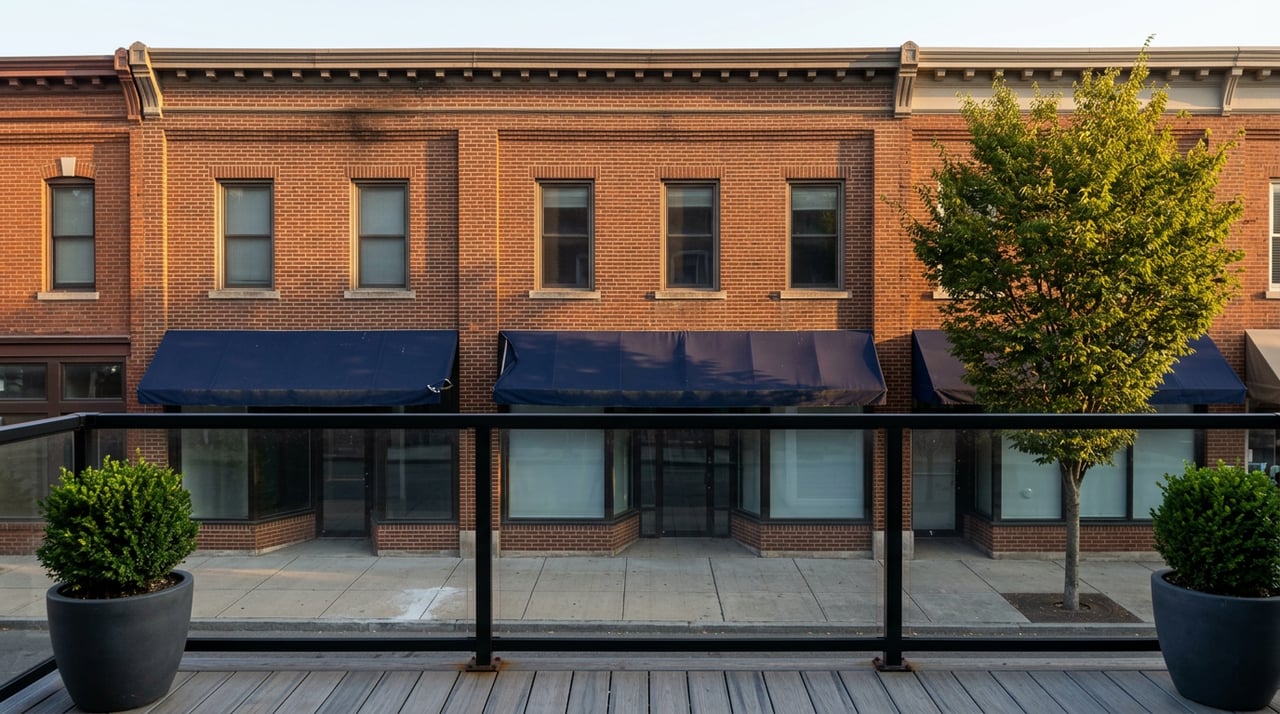
Downtown Royal Oak is the city’s central walkable district, and the city describes it as one of Metro Detroit’s most vibrant and walkable destinations. You will find hundreds of locally owned businesses, national retailers, restaurants, cafés, and nightlife venues packed into a compact area. That mix gives the district energy without requiring a long list of errands in multiple places.
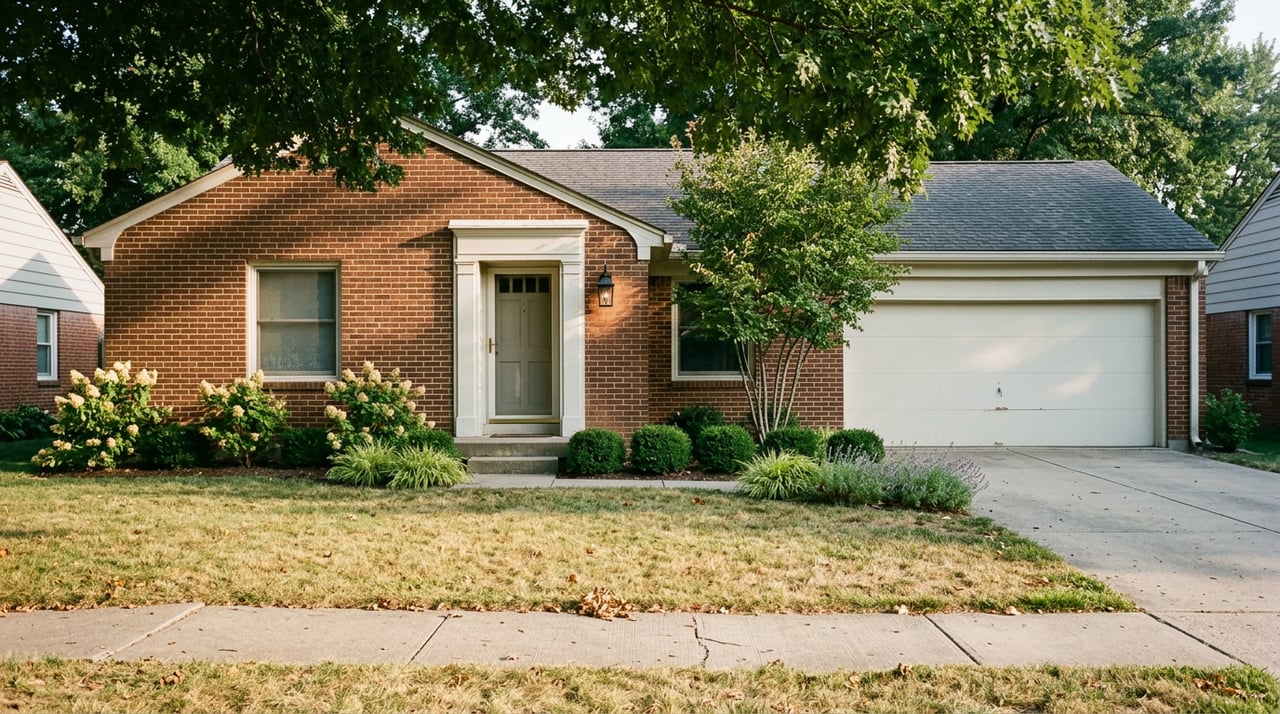
What makes the area especially appealing is the contrast just beyond the busiest blocks. Royal Oak describes the city as having a diverse mix of incomes, home styles, and mature tree canopy in many neighborhoods. In practical terms, that means you can enjoy a more urban, active downtown feel while still being close to quieter residential streets.
One of the easiest ways to understand downtown Royal Oak is to imagine a normal Saturday morning. You might start with coffee or breakfast at a local spot like Atomic Coffee, Give Thanks Bakery, Cacao Tree Cafe, Le Crepe, Cafe Muse, or Pronto Diner. The options range from quick coffee stops to sit-down brunch, which makes the area flexible for different routines.
If you like to mix convenience with a little neighborhood rhythm, the downtown library and the Royal Oak Farmers Market add to that daily flow. The library sits at 222 East Eleven Mile Road near Troy Street and next to the 11 Mile Parking Deck. The Farmers Market is at 316 East 11 Mile Road, two blocks east of Main Street, and it is open Saturdays from 7 a.m. to 1 p.m., with Sunday antiques-and-collectibles shopping and a monthly Wednesday food truck rally.
That kind of setup matters when you are choosing where to live. A downtown can look good on paper, but it feels different when your errands, coffee stop, weekend market run, and library visit all fit into the same area.
Downtown Royal Oak leans more boutique than mall. The city says there are more than 45 retail destinations and dozens of locally owned boutiques, with offerings that include vintage clothing, everyday fashion, gift items, stationery, custom engagement rings, and locally distilled whiskey. If you enjoy browsing places with more personality, that mix can make midday outings feel less repetitive.
Outdoor breaks are part of the picture too. Centennial Commons sits in the heart of downtown next to City Hall and the library, with seating, picnic areas, a stage, a water feature, and a veterans memorial. Nearby Grant Park adds a 4.25-acre neighborhood park with soccer, a playground, picnic space, chess tables, and outdoor fitness equipment.
For many buyers, this is where downtown living starts to make sense. You are not just near restaurants and entertainment. You are also near useful daytime amenities and public spaces that make the neighborhood feel livable throughout the week.
Downtown Royal Oak is well known for its evening scene, but the real draw is variety. You can keep dinner casual or make a full night of it with options like Alchemi, Ale Mary’s Beer Hall, Cafe Muse, Jolly Pumpkin, Lily’s Seafood, Mesa, Oak City Grille, Royal Oak Brewery, and Tom’s Oyster Bar. Having that range close to home makes it easier to stay local on weeknights and weekends.
Entertainment is a major part of downtown identity. The official entertainment directory includes Comedy Castle, Emagine, Main Art Theatre, Royal Oak Music Theatre, and Stagecrafters Baldwin Theatre. The city also highlights public art, theater, orchestra programming, Arts, Beats & Eats, and the Royal Oak Outdoor Art Fair as part of the local cultural picture.
There is also the Social District, which allows participating businesses to sell to-go alcoholic beverages for use in designated common areas from 11 a.m. to 10 p.m. seven days a week. If you enjoy a more active downtown atmosphere, that feature adds to the area’s social energy while keeping activity centered in defined public spaces.
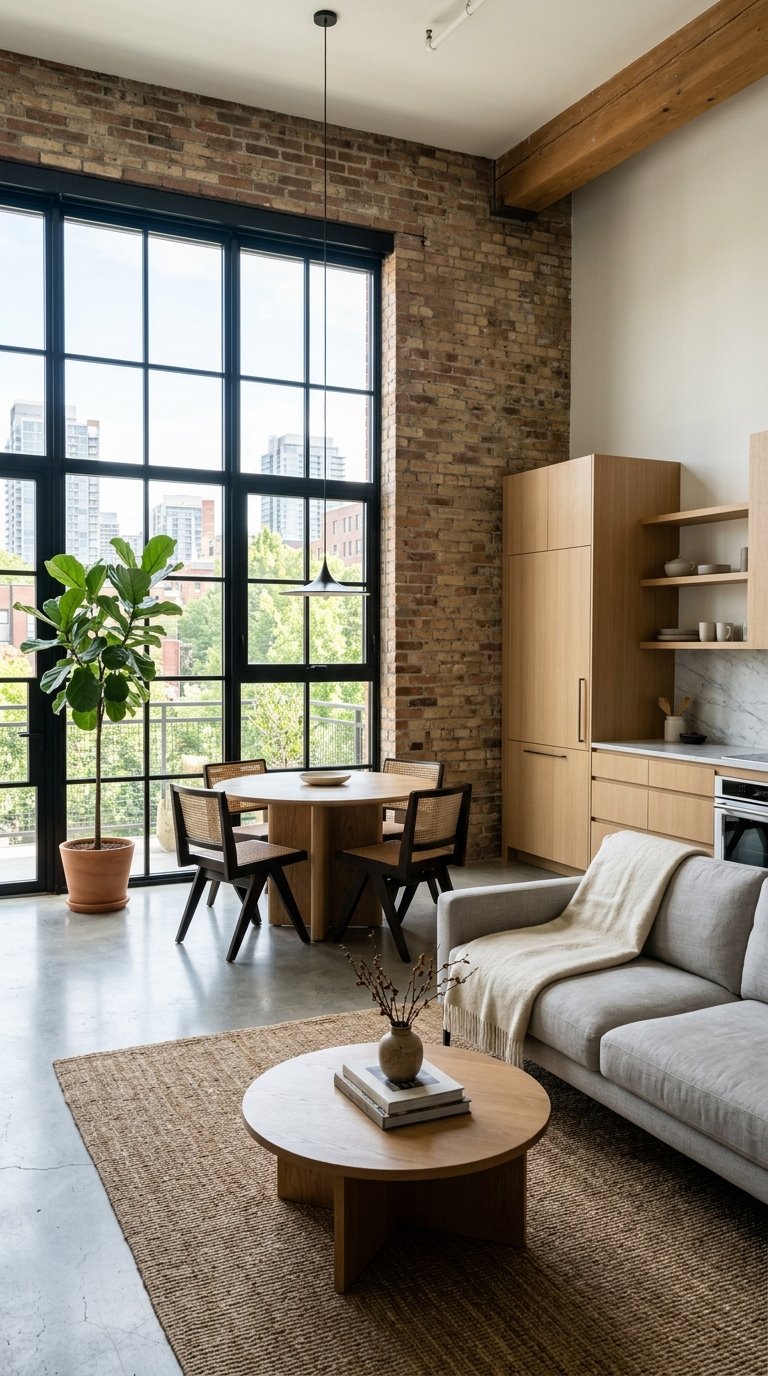
One of the biggest misconceptions about downtown Royal Oak is that it offers only one kind of housing. In reality, the city’s Reside page shows a much wider mix. Near downtown, you will find options such as The Fifth condos, loft-style living at SkyLofts and Troy Street Lofts, apartments at Urbane, and co-op communities like Barton Towers Co-op and Royal Oak Manor Co-op.
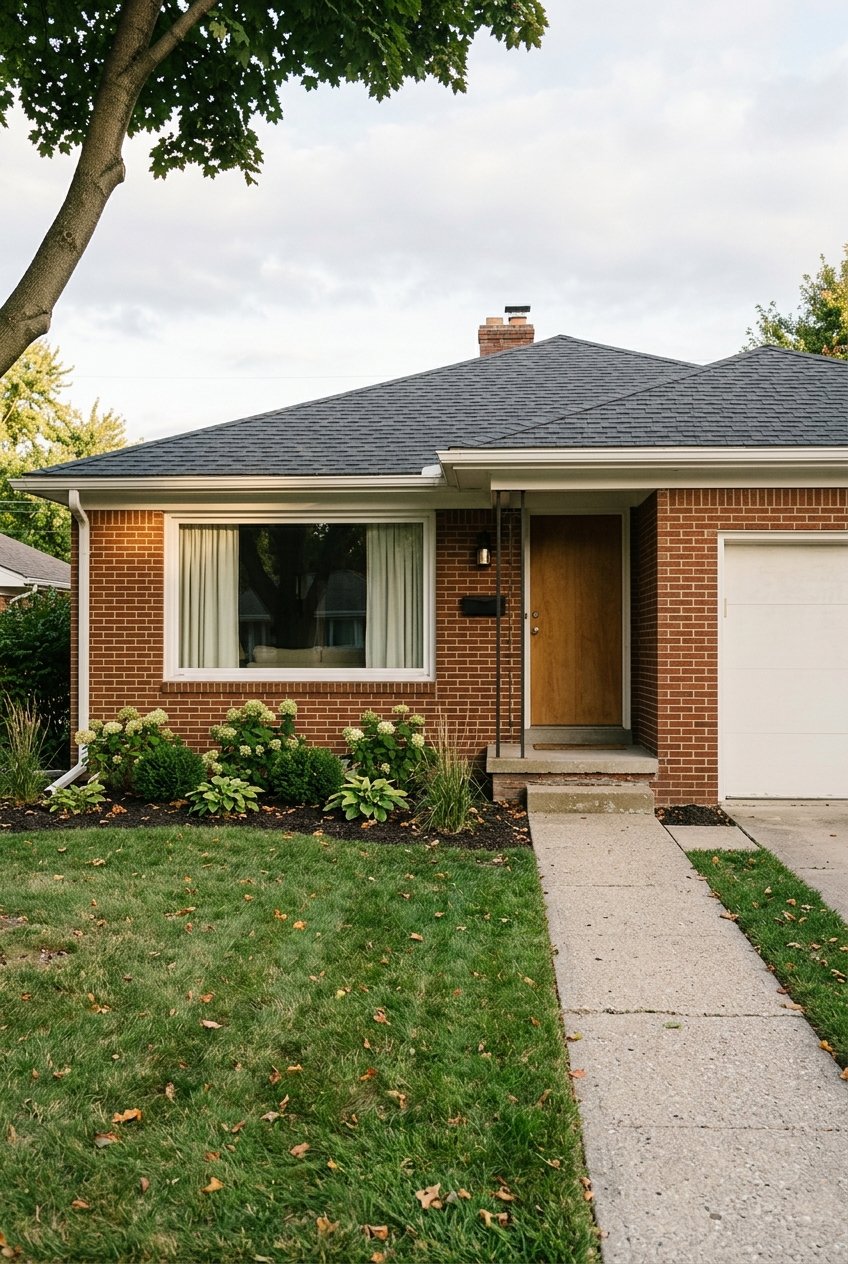
That variety matters because different buyers want different levels of maintenance, space, and walkability. Some people want a lock-and-leave condo near restaurants and events. Others want to stay close to downtown while living on a quieter street with a more traditional residential feel.
Royal Oak’s zoning map helps explain why that mix feels so natural. The city includes one-family, two-family, multiple-family, central business, mixed-use, and special redevelopment districts in and around the broader downtown area. For you, that means the transition from condo or loft living to nearby residential streets can happen quickly without giving up access to the core.
Housing near downtown is not only about newer mixed-use buildings or loft-style options. Royal Oak has 15 historic districts, including residential and landmark properties such as the McDowall House, the George and Anna Hilzinger House, the L.A. Young Historic District, the Baldwin Theater, and the Royal Oak Farmers Market. That record supports the sense that many nearby streets have established character and long-term identity.
This is often what buyers notice after the first visit. You can spend time in the heart of downtown, then turn a few blocks and find a very different pace. That balance is part of what gives downtown Royal Oak broad appeal across different lifestyles and price points.
Walkability is one of downtown Royal Oak’s clearest strengths. The city says downtown includes more than 5.3 miles of sidewalks, frequent pedestrian crossings, a north-south bike lane on Washington Avenue, bike racks, and wayfinding signage. The downtown library also notes access from Woodward Avenue, I-75, and I-696, which helps connect the area to the larger region.
Parking is also more manageable than some buyers expect. The city offers four downtown parking structures, with the first two hours free Monday through Saturday and free parking on Sundays. On-street parking is designed for short-term visits, and both ParkMobile and pay stations are available.
These details may seem small, but they shape how convenient downtown life really feels. When parking is easier to understand and walking is built into the streetscape, you are more likely to use the neighborhood the way it was meant to be used.
Downtown Royal Oak can work for several kinds of buyers and renters because it offers more than one lifestyle path. You may want a condo or loft with quick access to restaurants, cafés, events, and entertainment. Or you may want a home nearby that lets you enjoy downtown regularly without living in the busiest blocks.
It can also appeal if you value a car-light routine without needing to give up regional access. Between the sidewalks, bike lane, public gathering spaces, parking structures, and major road access, the district supports both local convenience and broader Metro Detroit mobility. That flexibility is a major reason the area stays relevant for so many people.
Citywide, Royal Oak had an estimated population of 57,583 in July 2025, with a 68.0% owner-occupied housing rate, a median gross rent of $1,381, and a median owner-occupied home value of $328,700. Those citywide figures do not define every downtown housing choice, but they do provide useful context if you are comparing Royal Oak to nearby communities.
If you are considering downtown Royal Oak, it helps to think beyond a single showing or weekend visit. Pay attention to how you want your mornings to feel, how often you want to walk to coffee or dinner, and whether you prefer to live in the middle of activity or just outside it. The area gives you multiple ways to answer those questions.
You should also think about housing format, not just price. Condo, loft, apartment, co-op, and nearby single-family options all create different daily experiences. The best fit usually comes from matching your routine to the right block and building, not just picking a zip code.
A good neighborhood choice is rarely about hype alone. It is about whether the area supports your real day-to-day life. In downtown Royal Oak, the combination of walkability, housing variety, public spaces, shopping, dining, and entertainment creates a lifestyle that is easy to picture and, for many buyers, easy to love.
If you are exploring Royal Oak and want practical guidance on which blocks, housing styles, and nearby neighborhoods fit your goals, connect with Jerome Dixon for a clear, local perspective.
Stay up to date on the latest real estate trends.
Whether it's finding the perfect dream home, selling a property at the best possible price, or identifying lucrative investment opportunities, Jerome's tireless efforts and commitment to delivering exceptional value make him the go-to Real Estate Agent in Birmingham. Contact him today!