Discover the Franklin MI Real Estate Lifestyle
April 16, 2026
April 16, 2026
If you want a place that feels tucked away but still connected to Metro Detroit, Franklin, Michigan, deserves a closer look. For many buyers, the appeal comes down to a rare mix: a preserved village center, large residential lots, and a quieter estate-style setting that still keeps you close to Birmingham, Farmington Hills, Southfield, Troy, and other nearby hubs. If you are considering a move here, understanding how Franklin actually lives day to day can help you decide whether it fits your goals. Let’s dive in.
Franklin is a small village in Oakland County with a population of 3,139, according to the 2020 Census. Its identity is closely tied to history, preservation, and a lower-density residential pattern that feels different from many suburban communities in the Warren-Troy-Farmington Hills area.
The village’s historic core dates back to early settlement in the 1820s, and Franklin’s historic district was listed on the National Register of Historic Places in 1969. Village materials describe it as the first historic district in Michigan to receive that listing, which helps explain why historic character remains such a visible part of everyday life in the community.
One of Franklin’s biggest draws is that it still has a recognizable village center. Along Franklin Road, you will find the Village Green, library, public safety buildings, church, and other community facilities that give the area a true civic heart rather than a purely residential feel.
According to the village master plan, the center supports practical day-to-day stops like shopping, banking, gas, coffee, and dining. Main Street Franklin also describes the area as a walkable shopping and dining district built around locally owned businesses.
That village atmosphere is reinforced by the setting itself. The master plan highlights tree-lined roads, pedestrian and bike connections, and seasonal traditions such as the Labor Day Round-Up, all of which support a more small-town pace within a larger regional market.
In Franklin, preservation is not limited to a few landmark buildings. It is woven into the way the village presents itself and how residents experience the area.
The Franklin Historical Society offers village walking tours, barn tours, and cemetery tours that focus on preserved buildings, barns, and local stories. That matters if you are drawn to places with a strong sense of continuity and visible architectural heritage.
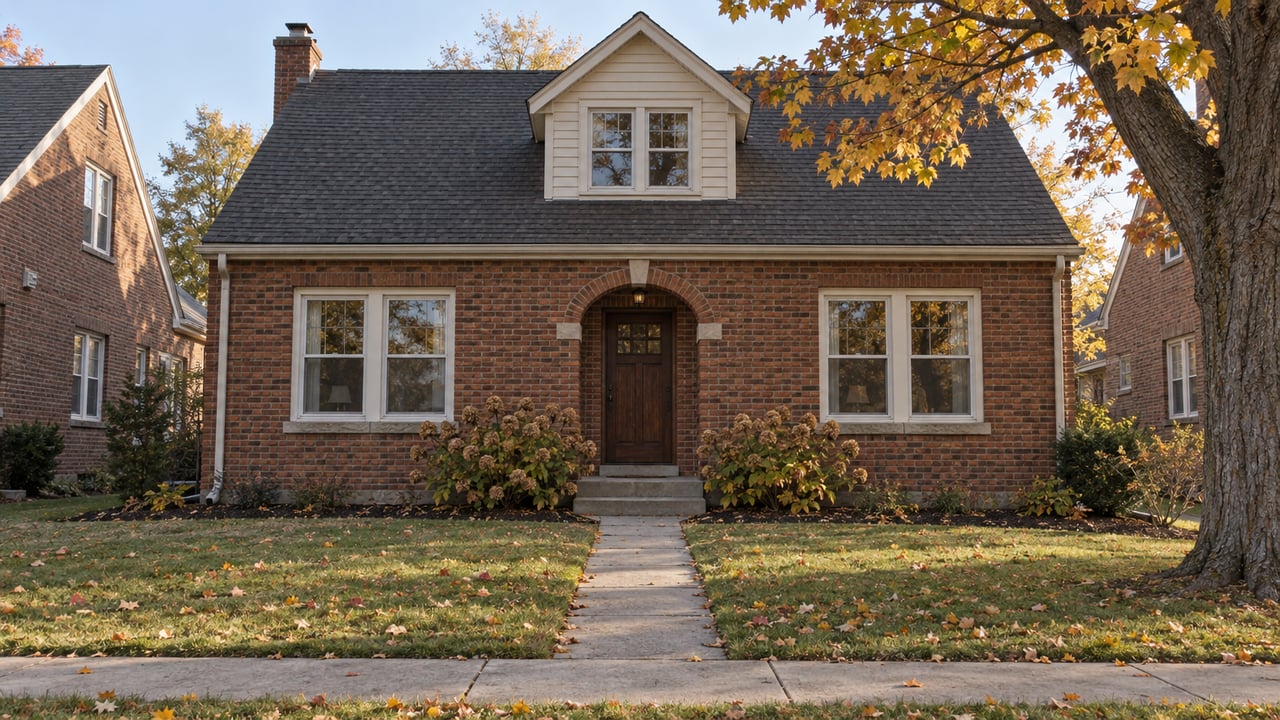
Within the historic district, the village identifies a range of home styles, including Greek Revival, vernacular, Queen Anne, Colonial Revival, American Foursquare, and Craftsman. In simple terms, that means you are not looking at one repeated subdivision style. Instead, you will see a varied housing mix shaped over multiple eras.
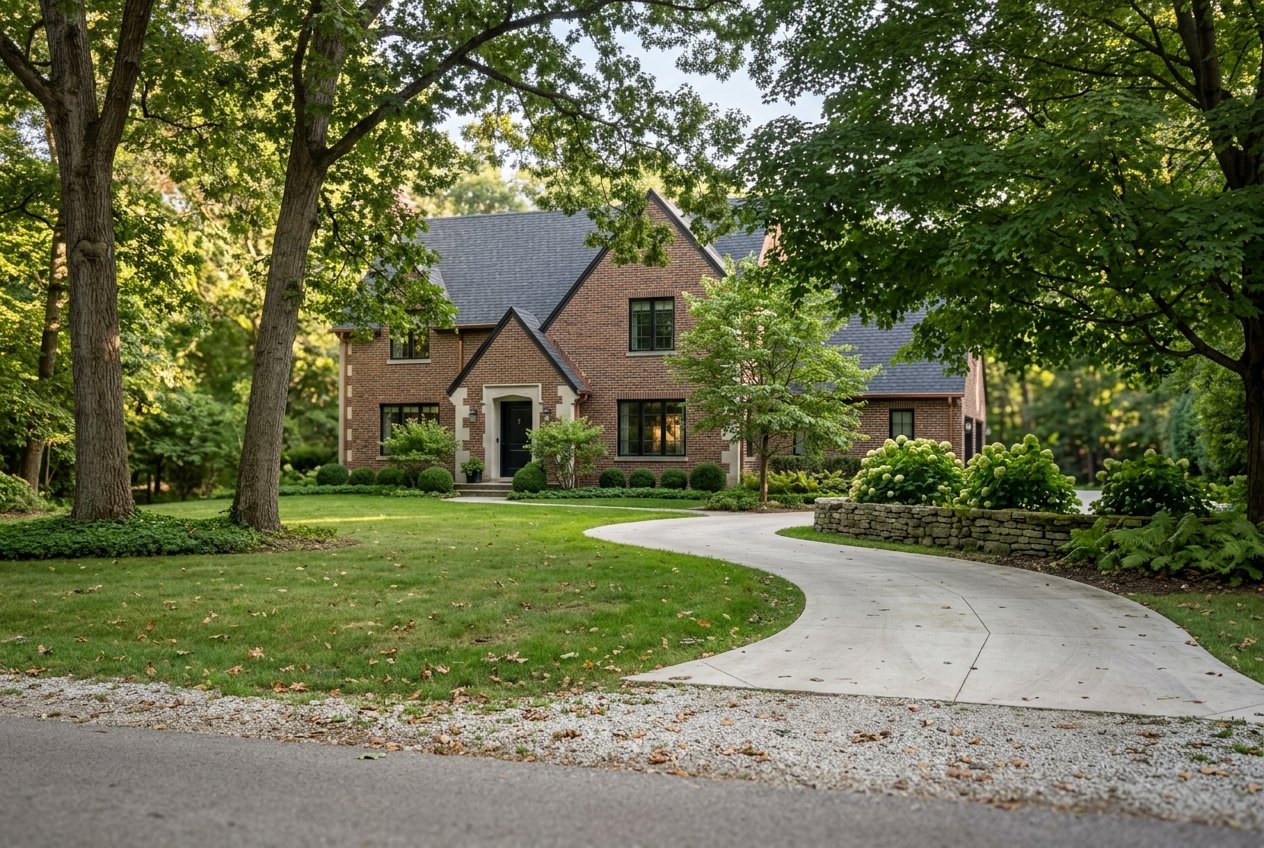
If you picture Franklin as a place of larger homesites and a more private feel, that picture is largely accurate. The village master plan says the average residential lot is slightly larger than one acre, and more than 20 homes sit on parcels of three acres or more.
That lot pattern gives Franklin a very different feel from more compact suburban neighborhoods nearby. Many homes sit along narrow, winding, tree-lined streets, and wooded buffers and natural barriers help add privacy and reduce noise.
The master plan also notes that some homes still have horses, paddocks, and barns. For buyers who want breathing room, natural screening, and a setting that feels more estate-oriented, that is a meaningful part of Franklin’s appeal.
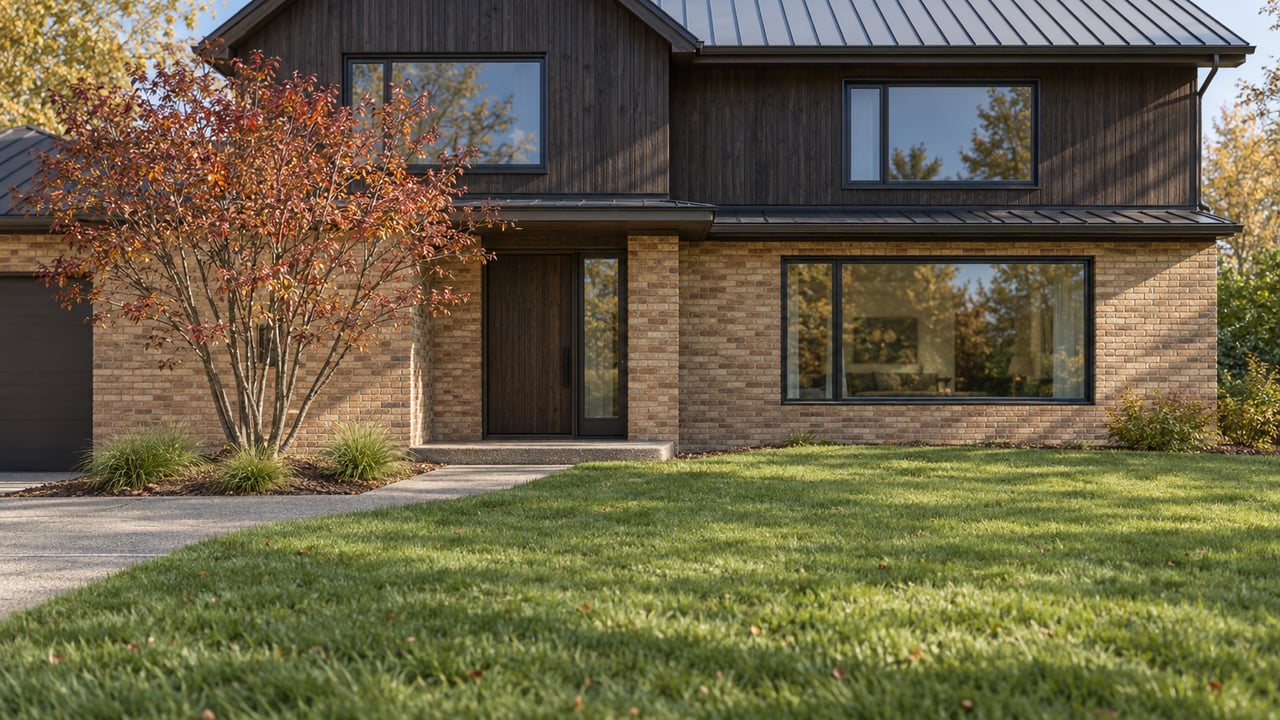
Franklin is often associated with its historic village image, but the housing stock is not limited to older homes near the center. Village materials note that housing ranges from contemporary to classic and historic.
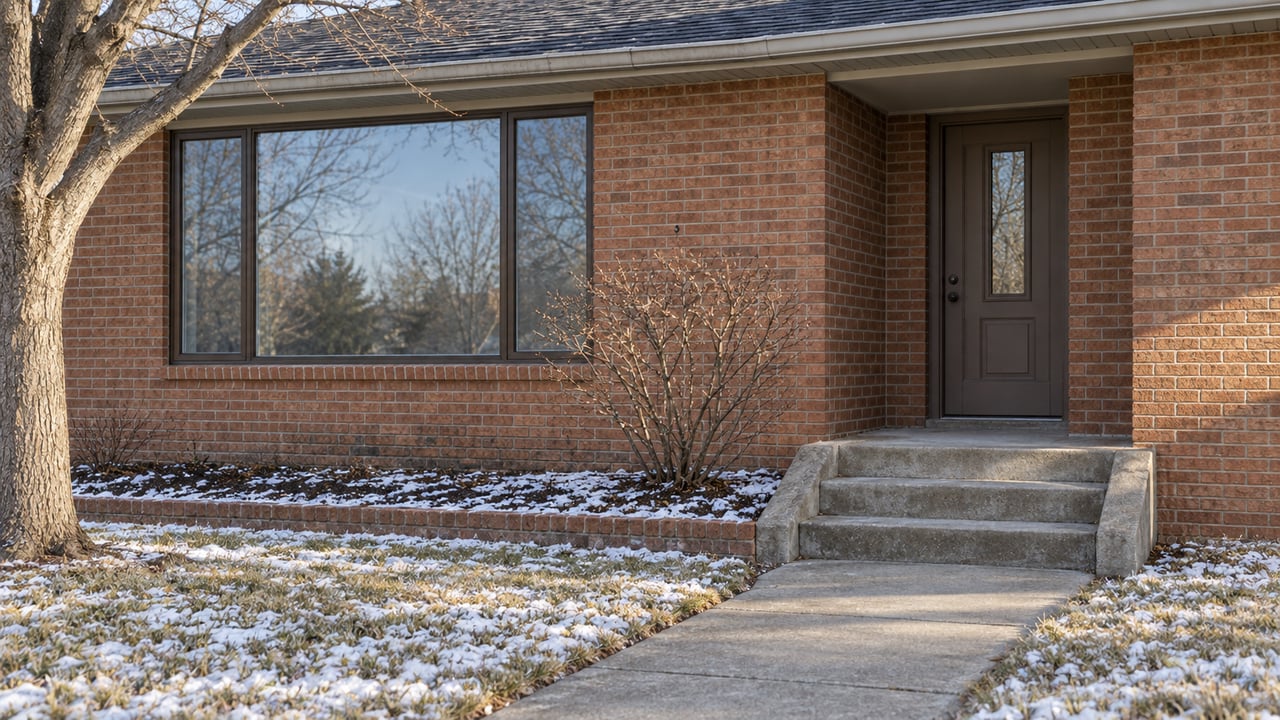
Outside the historic core, later growth includes postwar subdivisions and larger homes on generous parcels. So if you are exploring Franklin, it helps to think beyond one visual stereotype. You may find everything from early settlement-era homes to newer or more updated residences with a more contemporary layout.
For many buyers, Franklin offers a balance that can be hard to find elsewhere. You get a village setting with preserved character, but you are not isolated from commercial areas, commuter routes, or major employment centers.
The village master plan says residents commonly commute to Birmingham, Farmington Hills, Southfield, Troy, and other nearby job centers. That makes Franklin especially relevant if you want more privacy and larger lots without giving up access to shopping, services, and regional business districts.
The Birmingham Bloomfield Chamber also places Franklin in the same general local orbit as Birmingham, Bloomfield Hills, Bloomfield Township, Beverly Hills, and Bingham Farms. For buyers comparing nearby communities, that helps position Franklin as an option for country-style living with convenient access to city amenities.
If you are considering a home in Franklin’s historic district, there is one practical point to keep in mind. Exterior changes within the historic district are reviewed by the Historic District Commission.
The village’s Historic District Design Guidelines are intended to preserve the area’s character while still allowing appropriate change. For buyers, that does not automatically mean a project is off the table. It simply means design review can be part of the ownership experience in the historic core.
That review process can be especially important if you are thinking about exterior renovations, additions, or visible updates. If historic character is part of why you love Franklin, this framework is also part of how the village works to protect that identity over time.
Franklin’s appeal is not only about lot size or architecture. It is also about how the village center supports daily life and gives the community a recognizable gathering place.
The master plan points to shops, dining, recreation facilities, the Village Green, and the library as part of that experience. It also references the Franklin Cider Mill, just north of the village boundary, as part of the broader village-center setting many residents associate with Franklin living.
For some buyers, that combination matters just as much as the home itself. You may be looking for privacy and space, but you may also want a place with local traditions, walkable spots, and a sense of place that goes beyond the property line.
School district questions often come up when buyers are exploring Franklin. According to the village master plan, Franklin is included within the Birmingham School District, and the official Birmingham Public Schools site lists Franklin among the communities it serves.
If school assignment is part of your search, it is always smart to verify current attendance and enrollment details directly during your home search. That helps you make decisions based on the most current official information for the specific address you are considering.
Franklin tends to stand out for buyers who want a more private residential setting without stepping too far from the rest of the region. If you are drawn to tree-lined roads, larger lots, architectural variety, and a village center with real historic presence, it offers a living experience that feels notably different from many surrounding suburbs.
At the same time, Franklin is not one-size-fits-all. Some buyers are most interested in its estate-style parcels and wooded privacy, while others are focused on the historic core and its preserved homes. The best fit often comes down to which version of Franklin lifestyle matters most to you.
If you are thinking about buying or selling in Franklin or nearby Oakland County communities, Jerome Dixon can help you navigate the market with local insight, thoughtful strategy, and personalized guidance.
Stay up to date on the latest real estate trends.


Whether it's finding the perfect dream home, selling a property at the best possible price, or identifying lucrative investment opportunities, Jerome's tireless efforts and commitment to delivering exceptional value make him the go-to Real Estate Agent in Birmingham. Contact him today!