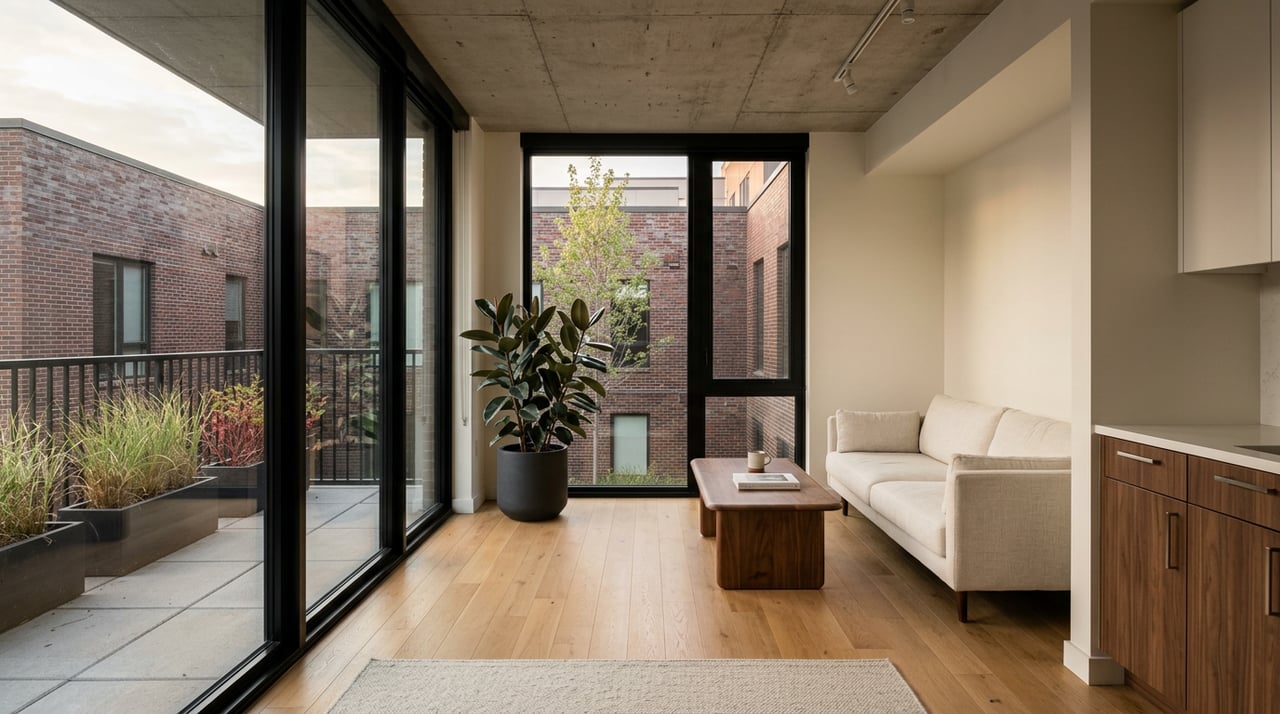
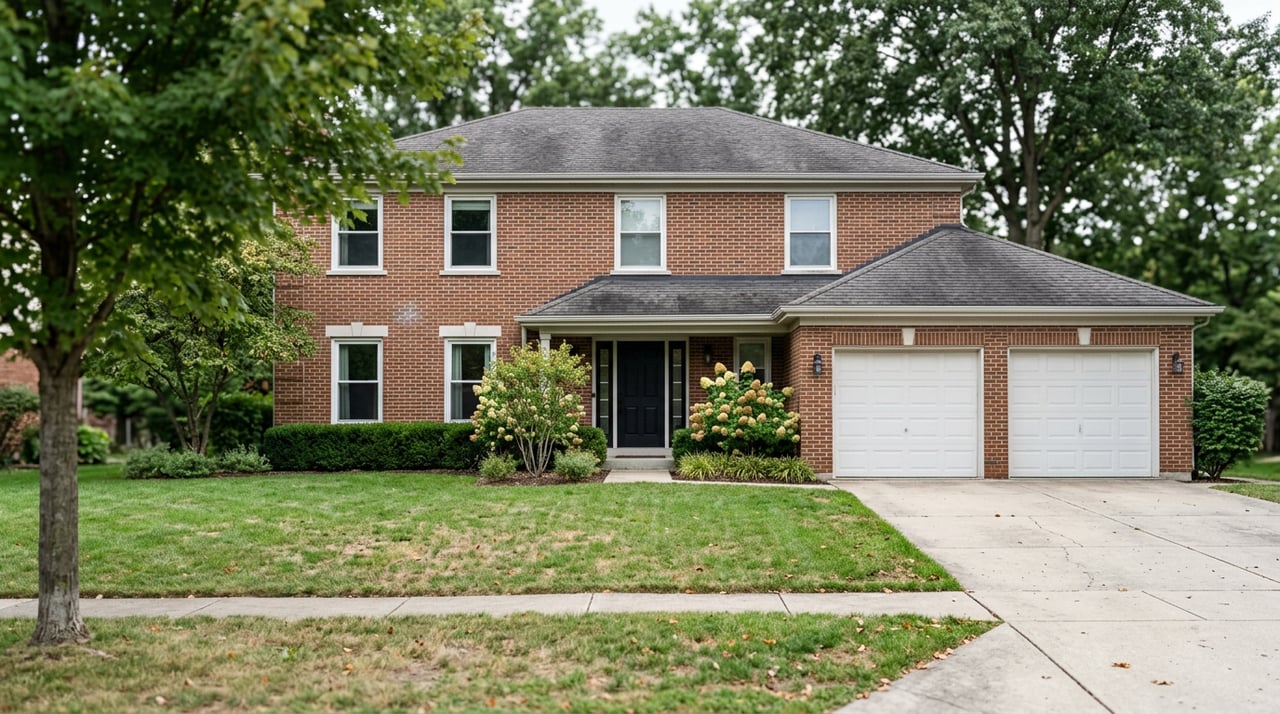
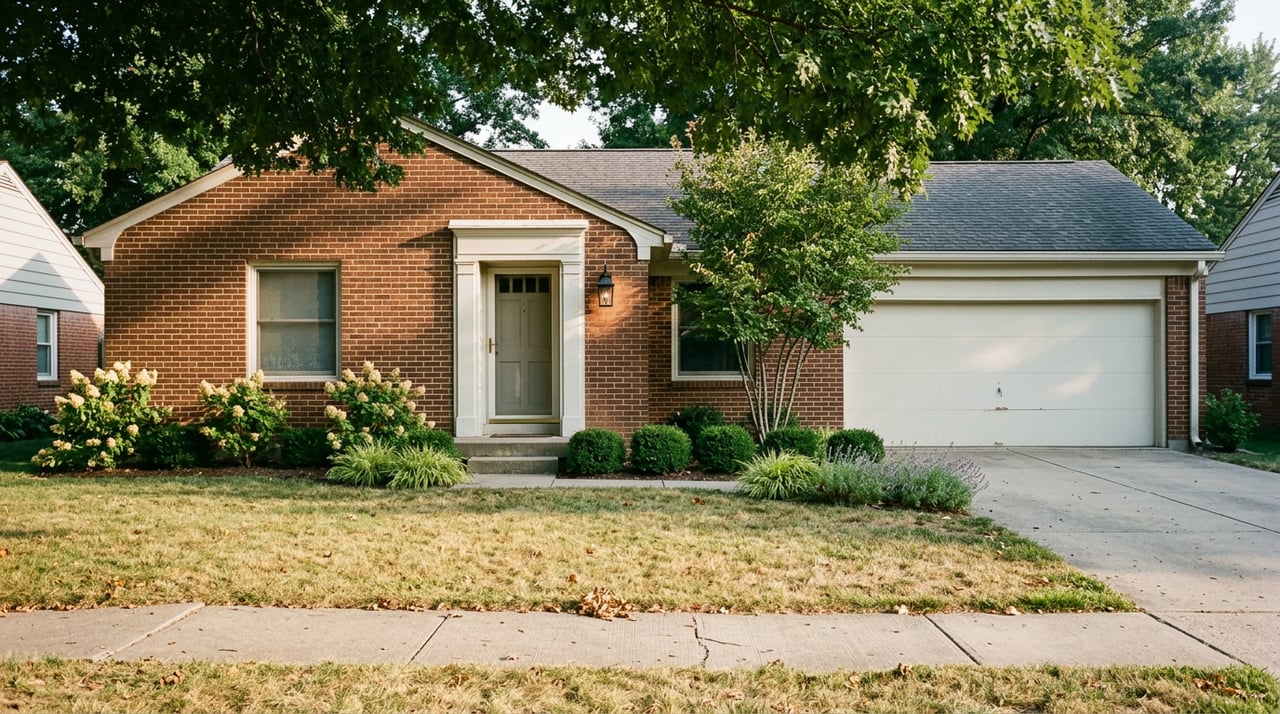
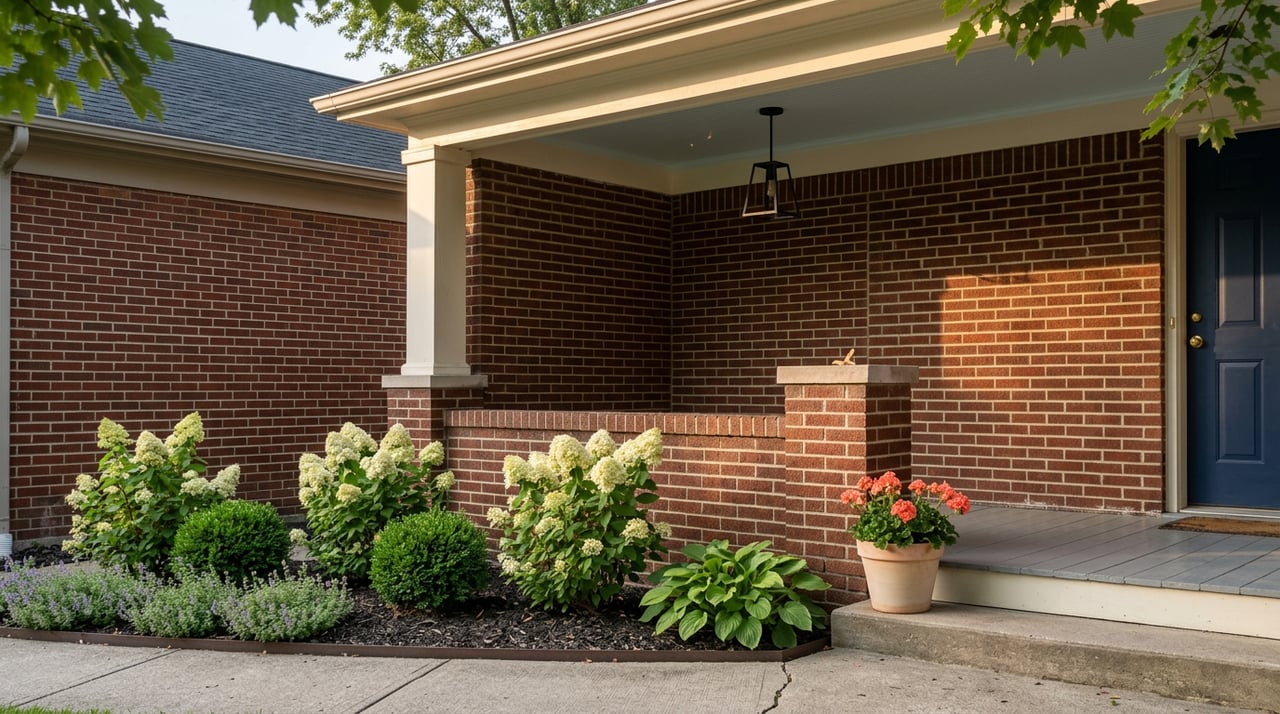
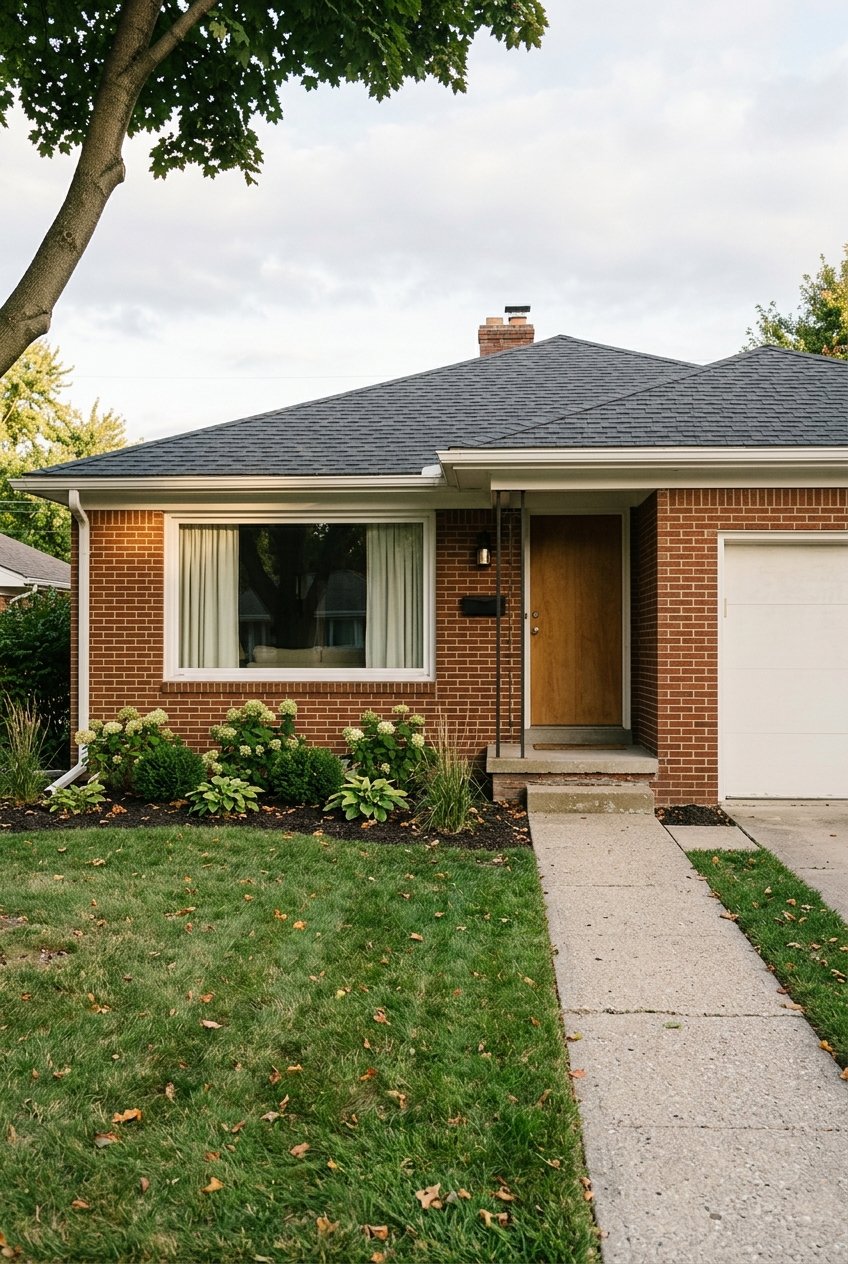
Trying to choose between a downtown Detroit condo and a classic brick single-family home on the east side? You are not alone. Each path offers real advantages, and the right choice depends on how you live, how you finance, and whether you plan to rent the property. This guide gives you a clear, local comparison with real numbers, simple steps, and Detroit-specific rules to know. Let’s dive in.
Detroit market snapshot 2026
As of Jan 2026, Detroit’s citywide median sale price sits around $92,800, which is far lower than most major metros. At the same time, submarkets vary widely, with higher prices in central areas like Downtown, Midtown, and Corktown compared with many single-family neighborhoods on the east and west sides.
Rents across the Detroit–Dearborn–Livonia metro softened into early 2026, with a median asking rent near $1,284 and vacancy in the high single digits. If you are buying with a plan to rent now or later, this renter-friendly backdrop means you should underwrite conservatively.
The big takeaway: you might be able to afford a condo near downtown amenities, but you may pay more each month than you would for a single-family home in a residential neighborhood. Knowing how HOA dues, taxes, and maintenance flow into your monthly budget is critical.
Condos vs houses: the tradeoffs
Monthly carrying costs
- Condos: You will pay monthly HOA dues that often cover exterior maintenance, common-area upkeep, building insurance, snow removal, trash, and sometimes utilities or security. In Midtown and Downtown, HOA dues commonly range from roughly $390 to more than $1,450 per month depending on the building and amenities. That line item is usually the biggest difference compared with owning a house.
- Single-family homes: You will not pay an HOA in most Detroit neighborhoods, but you will cover all exterior work, landscaping, snow removal, and utilities. A common planning rule is to budget about 1% to 4% of the home’s value per year for maintenance, adjusted for age and condition. That means absolute dollars can still be manageable at Detroit price points. Source on maintenance budgeting
Bottom line: condos convert many unknowns into a fixed monthly HOA, while houses swap the HOA for variable maintenance and repair costs you control.
Financing and resale
- Condos: Lenders look at the building’s financial health and compliance. Projects that do not meet Fannie Mae, Freddie Mac, FHA, or VA criteria can be labeled non-warrantable, which often means higher rates or larger down payments. FHA offers a condo approval process and limited single-unit approvals. If you plan to use FHA, VA, or low-down conventional financing, verify project eligibility early. Learn more about FHA condo approvals
- Single-family homes: Financing is usually more straightforward because lenders do not evaluate a homeowners association.
Practical tip: early project checks save time and prevent surprises during underwriting.
Taxes and insurance
- Taxes: Michigan’s system uncaps taxable value at sale, so a buyer’s first-year taxes can jump compared with the seller’s historic bill. A simple way to estimate is to use about 50% of purchase price as the next year’s taxable value, then apply Detroit’s millage rate, which often lands in the mid to high 60s mills. Always run your own estimate before you write an offer. How taxable value works in Michigan
- Insurance: Condo owners typically carry an HO-6 policy for interior finishes, personal property, and liability, while the HOA holds a master policy on the building. Single-family owners carry a broader HO-3 or HO-5 style policy for the full structure. Ask about loss-assessment coverage for condos in case the HOA’s master policy or reserves fall short. What an HO-6 policy covers
Maintenance and capital project risk
- Condos: The HOA’s budget, reserves, and delinquency rate matter as much as the building’s condition. Underfunded reserves often lead to special assessments that owners must pay on top of regular dues. Review the reserve study and any history of assessments before you buy. Why reserves and warrantability matter
- Single-family homes: Inspections and seller disclosures reveal deferred maintenance such as roof, HVAC, or foundation issues. Budget your annual reserve and plan to address items over time.
Lifestyle and flexibility
- Condos: Low-maintenance living, lock-and-leave convenience, on-site amenities, and walkability to jobs, culture, and dining.
- Single-family homes: More privacy, yard or garage, and more control over exterior updates, expansions, or accessory structures where allowed by zoning.
Neighborhood examples and yield math
Below are simple, illustrative examples using neighborhood-level prices and rents as of Jan 2026. Your results will vary with building, block, and condition. Always verify current comps and HOA documents before you buy.
East English Village single-family example
- Representative price: about $170,000
- Typical rent: about $1,200 per month
Quick math:
- Annual gross rent: $1,200 × 12 = $14,400
- Gross yield: $14,400 ÷ $170,000 = about 8.5%
This can produce modest positive cash flow after you apply vacancy, management, maintenance, insurance, and taxes. The exact result depends heavily on your tax estimate and maintenance needs.
Assumptions used:
- Vacancy: 9.6% (metro trend in early 2026)
- Maintenance: 1% of purchase price per year
- Property taxes: taxable value estimated at 50% of purchase price multiplied by Detroit’s millage
- Insurance: placeholder $800 per year (confirm with your carrier)
Midtown condo example at Park Shelton
- Representative list price: about $445,000
- HOA dues: about $1,450 per month
- Rent estimate: about $2,457 per month
Quick math:
- Annual gross rent: $2,457 × 12 = $29,484
- Annual HOA: $1,450 × 12 = $17,400
- Remaining before taxes, insurance, vacancy, and management: $12,084
Once you subtract taxes and other operating costs, cash flow can turn thin or negative at this price and HOA level. Results depend on what the HOA covers, the master insurance policy, and whether rentals are allowed.
Assumptions used:
- Vacancy: 9.6%
- Taxes: taxable value reset at sale; use the 50%-of-price rule of thumb to estimate
- Insurance: HO-6 interior policy plus any loss-assessment coverage
- Leasing policy: confirm the HOA’s rental rules and any minimum lease terms
What this shows
- In higher-priced condo buildings with large HOAs, near-term cash flow is often tighter than in single-family neighborhoods with lower acquisition costs and no HOA.
- Location, HOA coverage, and property taxes drive the math as much as the sticker price.
How to choose in three steps
If you lean condo
Review the HOA’s financial health. Ask for the last 2 to 3 years of budgets, the most recent reserve study, and the delinquency report. Look for pending special assessments and current reserve funding. Why reserves matter
Confirm lender eligibility early. If you need FHA, VA, or low-down conventional financing, have your lender run a project review and discuss FHA condo approval or single-unit options. FHA condo approval basics
Model your true monthly cost. Include principal and interest, taxes, HO-6 insurance, HOA dues, parking, and a reserve for potential special assessments.
If you lean single-family
Budget a maintenance reserve. Use 1% to 4% of home value each year, scaled to age and condition. Maintenance budgeting guide
Inspect and price repairs. Order a full home inspection, then get quotes for any roof, HVAC, electrical, plumbing, or foundation items to avoid surprises.
Estimate taxes using uncapping. Michigan resets taxable value at sale. Use a 50%-of-price starting point, apply Detroit’s millage, and check last year’s bill for context. How to calculate taxable value
Renting rules in Detroit you must know
Registration and compliance: To legally rent in Detroit, a property must be registered and pass inspection to receive a Certificate of Compliance. Build inspection timelines and repair costs into your plan, especially if you buy with a rent-ready goal. Certificate of Compliance overview
Practical enforcement: Registration and a valid Certificate of Compliance affect your ability to lease and to use the courts for enforcement. Start this process early. Rental registration and inspection details
Short-term rentals: Detroit has circulated a draft short-term rental ordinance, and some HOAs and neighborhoods restrict or prohibit STRs. Confirm current City Council rules and your building’s bylaws before counting on STR income. Current draft STR ordinance
Quick checklist before you write an offer
- Ask for HOA budgets, reserve study, and delinquency report; check for pending or recent special assessments. What to review and why
- Have your lender run an early condo project check if using FHA, VA, or low-down conventional. FHA condo approval info
- Confirm the City of Detroit rental Certificate of Compliance if you plan to lease. City compliance requirements
- Pull sample utility bills and last year’s tax bill, then model taxes using Michigan’s uncapping rules. Michigan taxable value guide
- For condos, verify the master insurance policy and consider loss-assessment coverage in your HO-6. HO-6 coverage overview
- Underwrite rent with conservative vacancy in mind, given high single-digit trends in early 2026.
Ready to compare your top options side by side, including HOA docs, lender eligibility, and tax estimates? Reach out to Jerome Dixon for a local, data-backed plan that fits your lifestyle and your numbers.
FAQs
What monthly costs make Detroit condos pricier than houses?
- HOA dues on condos often cover exterior maintenance, building insurance, and amenities, which can run $390 to more than $1,450 per month in central neighborhoods, while most single-family homes have no HOA but require a maintenance reserve.
How do condo special assessments work in Detroit?
- If an HOA’s reserves or insurance are insufficient for major repairs, owners may be billed a one-time assessment on top of monthly dues, so review reserve studies and budgets before you buy. Why reserves matter
Can I use FHA financing on a Detroit condo?
- Yes, but the project usually must meet FHA criteria or qualify for a single-unit approval, so ask your lender to check the building’s eligibility early. FHA condo approval basics
How should I estimate Detroit property taxes as a buyer?
- Michigan resets taxable value at sale; estimate next year’s taxable value at about 50% of purchase price and apply Detroit’s millage to model your bill. Taxable value guide
What do I need to legally rent out my Detroit home or condo?
- You must register the property and obtain a Certificate of Compliance after inspection before leasing, so plan time and budget for repairs if needed. Compliance steps
Are short-term rentals allowed in Downtown or Midtown Detroit?
- Rules are evolving; review the City’s latest short-term rental ordinance details and your building’s HOA bylaws, since some developments restrict or prohibit STRs. City STR draft