Berkley MI Downtown Guide to Parks and Daily Life
April 2, 2026
April 2, 2026
Looking for a place that feels connected, walkable, and easy to settle into without losing access to the rest of Metro Detroit? Berkley, Michigan, stands out for exactly that reason. If you are thinking about moving, buying, or simply getting to know this part of Oakland County, it helps to understand how downtown, parks, housing patterns, and local events shape daily life. Let’s dive in.
Berkley is a compact city in Oakland County with about 15,313 residents living within 2.62 square miles, according to U.S. Census QuickFacts. That smaller footprint gives the city a close-knit, established feel while still placing you near major regional routes and destinations.
The same Census data shows an 87.9% owner-occupied housing rate, a median owner-occupied home value of $316,700, and a median household income of $116,239. In practical terms, Berkley offers a dense, residential pattern with a strong base of long-term homeowners and a housing stock rooted in established neighborhoods.
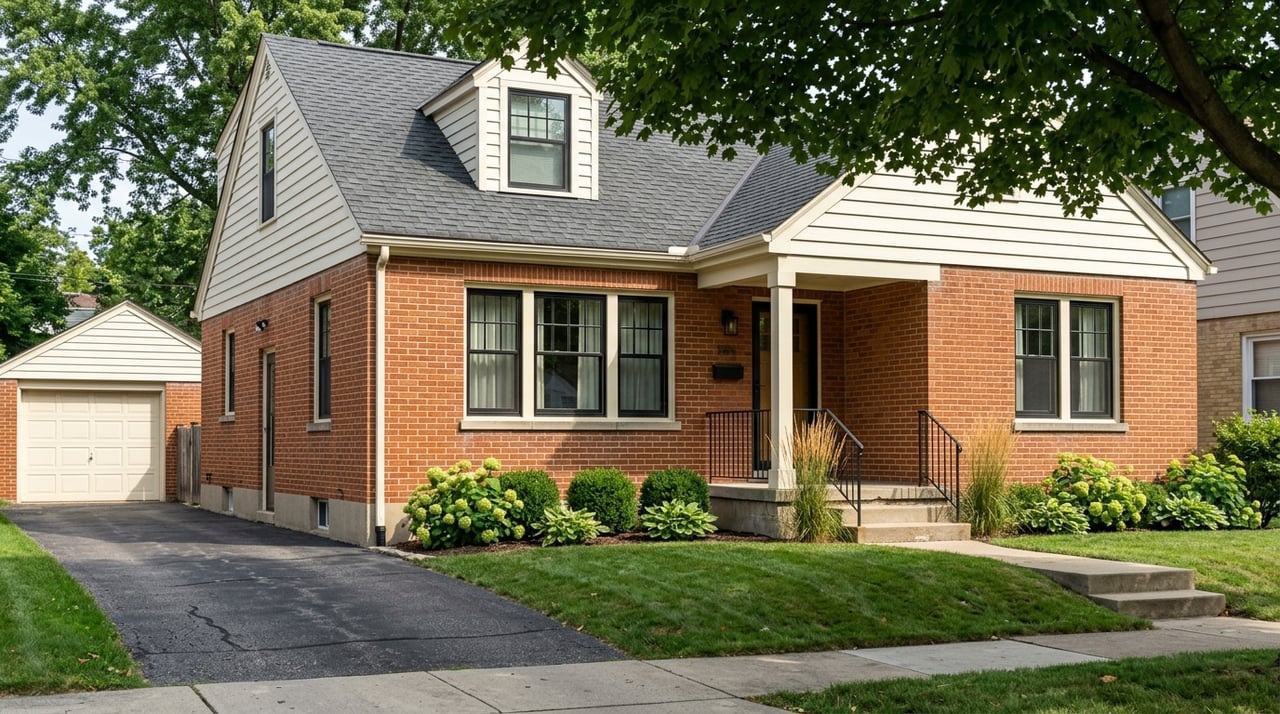
Official city and visitor materials describe Berkley as a warm, small-town place with tree-lined streets and access to larger regional amenities. That blend of neighborhood character and convenience is a big part of what draws people here.
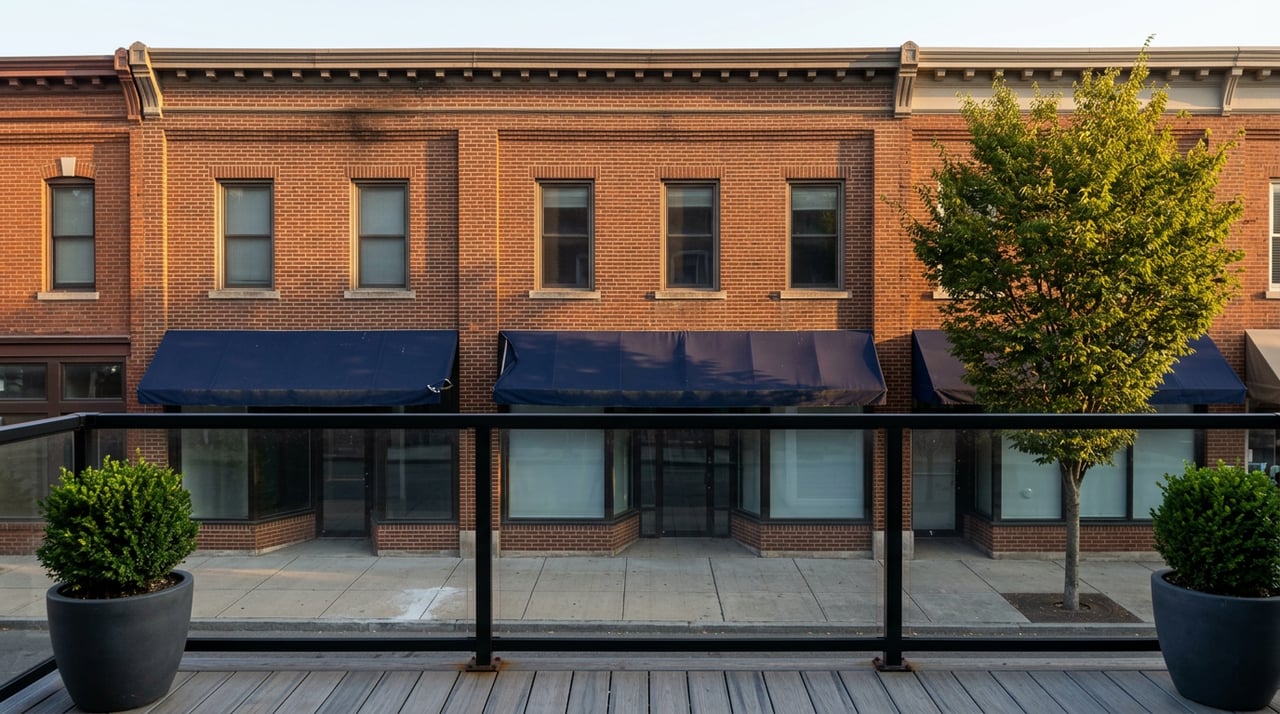
Downtown Berkley centers on 12 Mile Road and Coolidge Highway, creating a two-corridor district rather than a single main street. According to Downtown Berkley, the area includes more than 150 businesses across two shopping districts.
That business mix supports everyday convenience as much as it does a weekend outing. You will find coffee, cocktails, books, boutiques, fashion, arts, jewelry, and dining, which gives the district a practical, local rhythm throughout the week.
Another plus is ease of access. City visitor materials highlight plentiful free parking downtown, which can make quick errands and casual meetups simpler than in some busier urban districts. For many buyers, that everyday usability matters just as much as the storefront mix.
Berkley’s downtown is not standing still. The city’s Downtown Development Authority says its mission includes preventing deterioration, encouraging historic preservation, and promoting economic growth in the district.
In early 2025, the city also noted that Berkley had been recognized as a five-star community in the eCities study. The city connected that recognition to efforts such as façade-improvement grants and a mural program, both of which support the look and feel of downtown.
This matters if you are evaluating lifestyle and long-term appeal. A downtown with active public investment often signals a city that is paying attention to its commercial core and working to keep it vibrant.
Berkley’s downtown master plan describes the district as walkable, with activity nodes along both Twelve Mile and Coolidge. At the same time, the plan notes areas for improvement, including traffic speed, sidewalk conditions, and crosswalk gaps.
That gives you a realistic picture of daily life. Berkley already functions as a genuine main-street environment, but it is also still refining how people move through downtown on foot. If you value a city that is both usable now and still improving, that is a meaningful detail.
One of Berkley’s strongest lifestyle advantages is access to parks. The city’s parks page says you can find one of the city’s nine parks within walking distance.
That park access shapes the feel of the city more than you might expect. In a compact community, nearby green space adds breathing room to everyday life and gives residents easy options for exercise, play, and casual outdoor time.
Parks & Recreation also maintains city-owned recreation assets and offers programs for children, adults, and seniors. The department lists seasonal camps and year-round activities at the Community Center and Senior Center, which adds another layer to Berkley’s day-to-day community rhythm.
Several individual parks help define what living in Berkley can look like:
These details matter because they show how recreation is distributed across the city. Rather than relying on a single signature park, Berkley offers a network of neighborhood spaces that support everyday use.
A city’s personality often shows up most clearly in its event calendar, and Berkley has a full one. According to the city’s community events page, annual and seasonal events include SummerFest, CruiseFest, WinterFest, Berkley Beats Summer Concert Series, and Park Your Pumpkin Fall Festival.
The city also highlights BOO!kley, Art Bash, Street Art Fest, and CruiseFest, while downtown materials feature events like Ladies Night Out and Berkley Pride. These recurring events create a familiar annual rhythm and give residents more reasons to spend time locally.
One especially distinctive tradition is BOO!kley, where the city says residents and business owners create elaborate skeleton displays throughout October. It is a good example of how Berkley balances everyday convenience with a playful, community-centered identity.
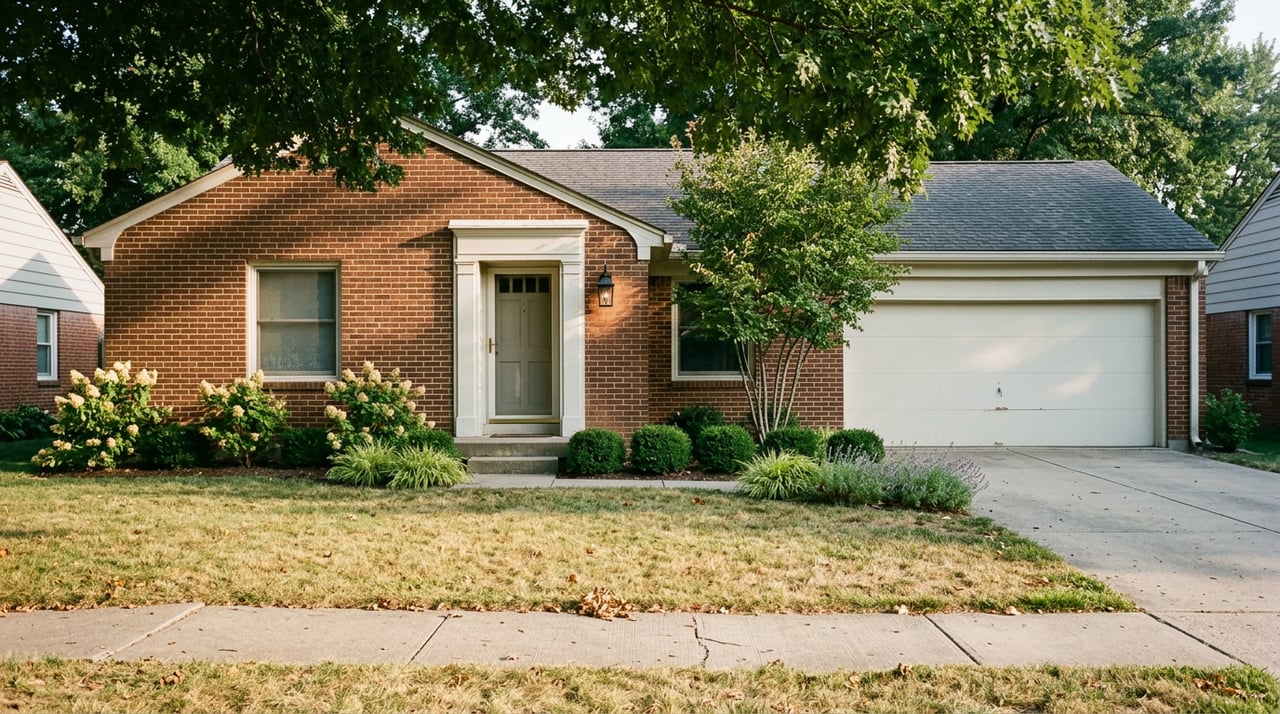
If you are exploring Berkley as a buyer, it helps to understand the housing pattern behind the lifestyle. The downtown master plan says nearby neighborhoods are made up mostly of single-family areas built before and after World War II.
That history still shapes the city today. Berkley’s residential growth was tied early on to affordable single-family housing, and the overall pattern remains compact, established, and neighborhood-focused.
The city’s broader planning documents also note that Berkley has very little vacant land and limited room for major new parks or civic sites. That means future housing growth is more likely to come through infill or redevelopment than through large-scale expansion.
Berkley’s zoning ordinance reinforces that compact development pattern. In the residential corridor district, the city allows a mix of single-family homes, townhomes, and low-rise multifamily uses, but many parcels are relatively small by suburban standards.
For example, the ordinance notes that the smallest residential corridor parcels are typically under 50 feet wide and under 6,650 square feet. A single-family site layout can be as small as 4,400 square feet with a 40-foot minimum width.
Downtown parcels are even tighter, with smaller site types generally ranging from 20 to 35 feet wide and under 110 feet deep. In simple terms, Berkley’s built form reflects an older, efficient land pattern rather than a newer spread-out suburban model.
For buyers, this often translates to established neighborhoods, smaller lots, and a more connected city layout. For sellers, limited room for large-scale expansion can support interest in well-located existing homes, especially those close to downtown corridors, parks, or major neighborhood routes.
It also means housing changes in Berkley tend to be selective. The zoning ordinance points to mixed-use and multifamily potential along the Woodward corridor and broader land-use flexibility in the Eleven Mile Flex district, but change is generally tied to corridor redevelopment and parcel assembly rather than sweeping neighborhood transformation.
Berkley works well for buyers who want a city that feels manageable and active at the same time. You get a downtown with local businesses, a strong park system, recurring community events, and established residential blocks, all within a relatively small footprint.
That combination is not easy to find. Some communities offer convenience but little personality, while others offer charm without everyday practicality. Berkley’s appeal comes from balancing both.
For buyers comparing communities along the Woodward Corridor and nearby suburbs, Berkley often stands out as a place where daily life feels grounded in local routines. You can picture the errand run, the park stop, the seasonal event, and the quick downtown coffee without much effort.
If Berkley is on your shortlist, focus on the lifestyle details that will matter most to you day to day:
These questions can help you narrow your search beyond price alone. In a compact city like Berkley, even small location differences can meaningfully shape your routine.
If you are considering a move in Berkley or anywhere along Metro Detroit’s Woodward Corridor, working with a local advisor can help you compare neighborhoods, evaluate property positioning, and make sense of how lifestyle and value line up. When you are ready to explore your options, connect with Jerome Dixon for thoughtful, neighborhood-focused guidance.
Stay up to date on the latest real estate trends.

Whether it's finding the perfect dream home, selling a property at the best possible price, or identifying lucrative investment opportunities, Jerome's tireless efforts and commitment to delivering exceptional value make him the go-to Real Estate Agent in Birmingham. Contact him today!