A Practical Guide to Leasing Property in Detroit
April 23, 2026
April 23, 2026
Wondering why a Detroit rental can sit for weeks even when demand still exists? In today’s market, leasing out your property is less about guessing and more about getting the fundamentals right from day one. If you want to reduce vacancy, attract stronger applicants, and stay on the right side of city rules, this guide will walk you through the practical steps that matter most. Let’s dive in.
Before you think about photos, pricing, or showings, make sure your property is legally ready to be occupied. The City of Detroit requires a Certificate of Compliance before a residential rental is occupied, and that rule applies to more properties than some owners expect.
According to the city, residential rentals include 1- and 2-family homes, apartment buildings, rented condos, cooperatives, rooming houses, and even rooms rented in an owner-occupied home. Rental registration is free, and the city says registration stays in effect unless ownership or use changes. The Certificate of Compliance is valid for three years, and the supporting inspection cannot be more than one year old.
If you are preparing for lease-up, the city’s inspection checklist is the best starting point. Detroit focuses on visible safety and habitability issues such as roof or water intrusion, working gas and electric service, heat, smoke and carbon monoxide detectors, hot and cold water, functioning windows and locks, sanitary conditions, and the absence of deteriorated paint or bare soil.
That means lease-up starts with condition, not marketing. A polished listing cannot solve inspection issues, deferred maintenance, or unresolved blight concerns. In fact, the city’s FAQ notes that BSEED actively enforces blight violations, and paying penalties alone does not satisfy the requirement to correct the problem.
Detroit has a large share of older housing stock, so this point matters. The city’s current requirements state that properties built before 1978 need an initial lead inspection and risk assessment, along with a lead clearance report, to qualify for a Certificate of Compliance. You can review those ownership and compliance requirements through Detroit BSEED.
If you are an accidental landlord leasing out a former primary residence, condo, or inherited property, this step is especially important. It is easy to assume you can list first and sort out paperwork later, but in Detroit, compliance should come first.
Many owners start with the rent they hope to get. Smart leasing starts with the rent the market is most likely to support right now.
Realtor.com reports that the Detroit-Warren-Dearborn metro median asking rent was $1,284 in January 2026, down 3.4% year over year. Its Detroit market data also showed a median rental price of $1.1K per month and 1,733 rentals listed in February 2026, which points to real competition and less room for overpricing in the current environment.
Renters are watching their budgets closely. Zillow’s renter research found that 94% of renters said staying within budget is essential, which means your asking price has to make sense next to current alternatives.
National rental trends also suggest renters have more leverage than they did during the earlier rent surge. Zillow reported that nearly 40% of rental listings included a concession in January 2026. In a softer market, a small concession or a sharper initial price may cost less than extended vacancy.
Pricing is not just about monthly rent. It is also about whether your listing looks complete, transparent, and credible enough for the right renter to act.
A property priced a little too high can sit. Then it often ends up chasing the market with reductions, lost momentum, and more questions from prospects. In many cases, the better play is to launch with realistic pricing and full disclosure so qualified renters can self-select quickly.
A strong listing does more than get clicks. It helps the right renters decide whether your property fits their needs before they ever schedule a tour.
Zillow’s rental team says high-performing listings tend to share one major trait: completeness. Listings with strong photos, detailed descriptions, 3D tours, and easy scheduling received significantly more views, leads, saves, and shares, according to Zillow’s guidance on high-performing rental listings.
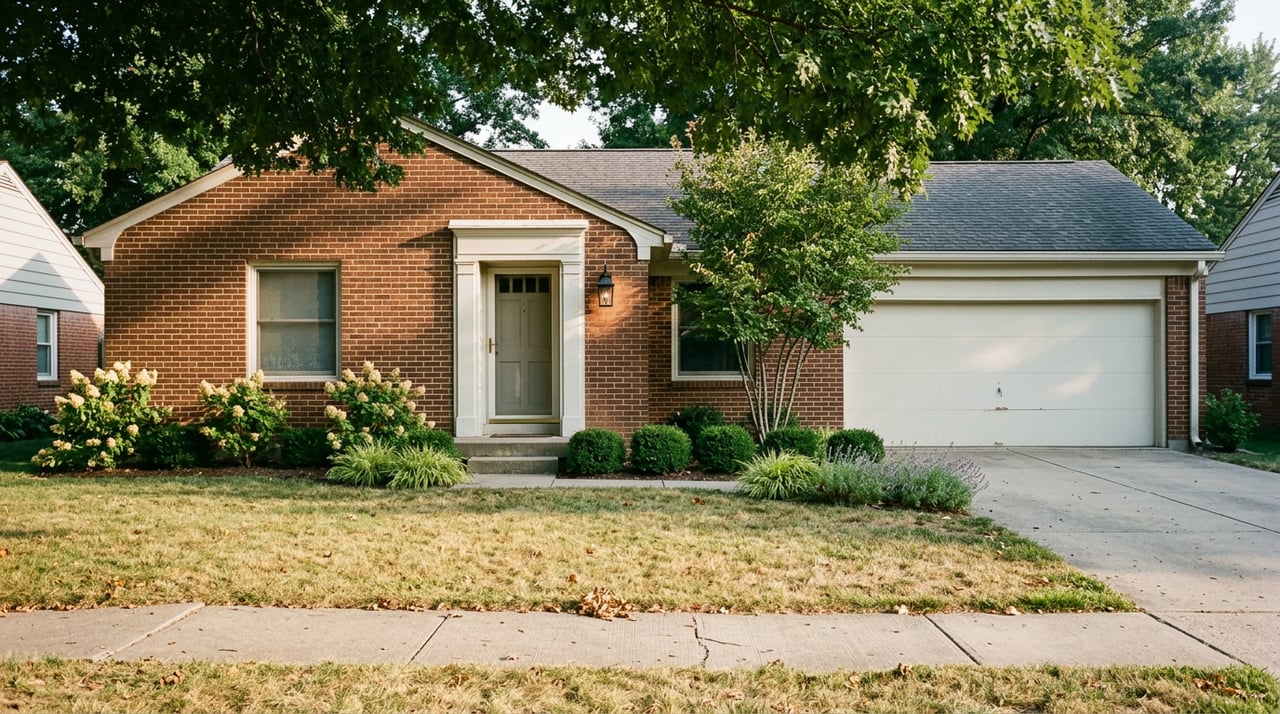
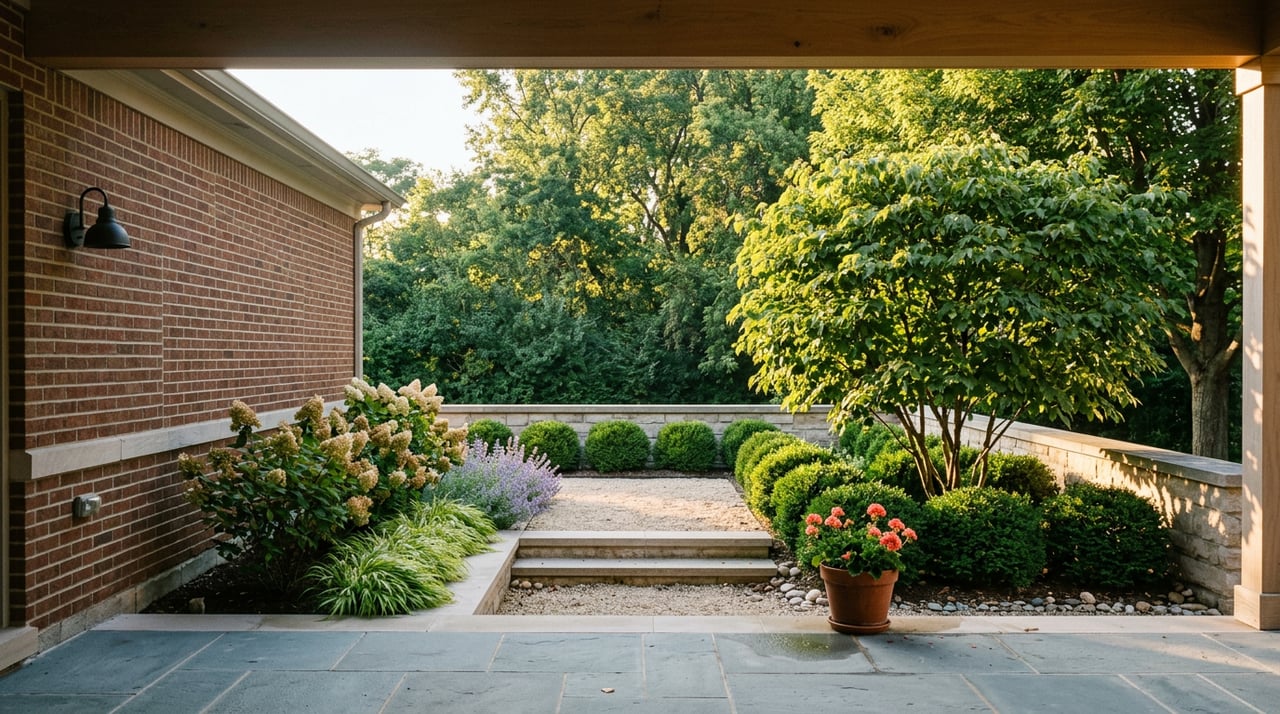
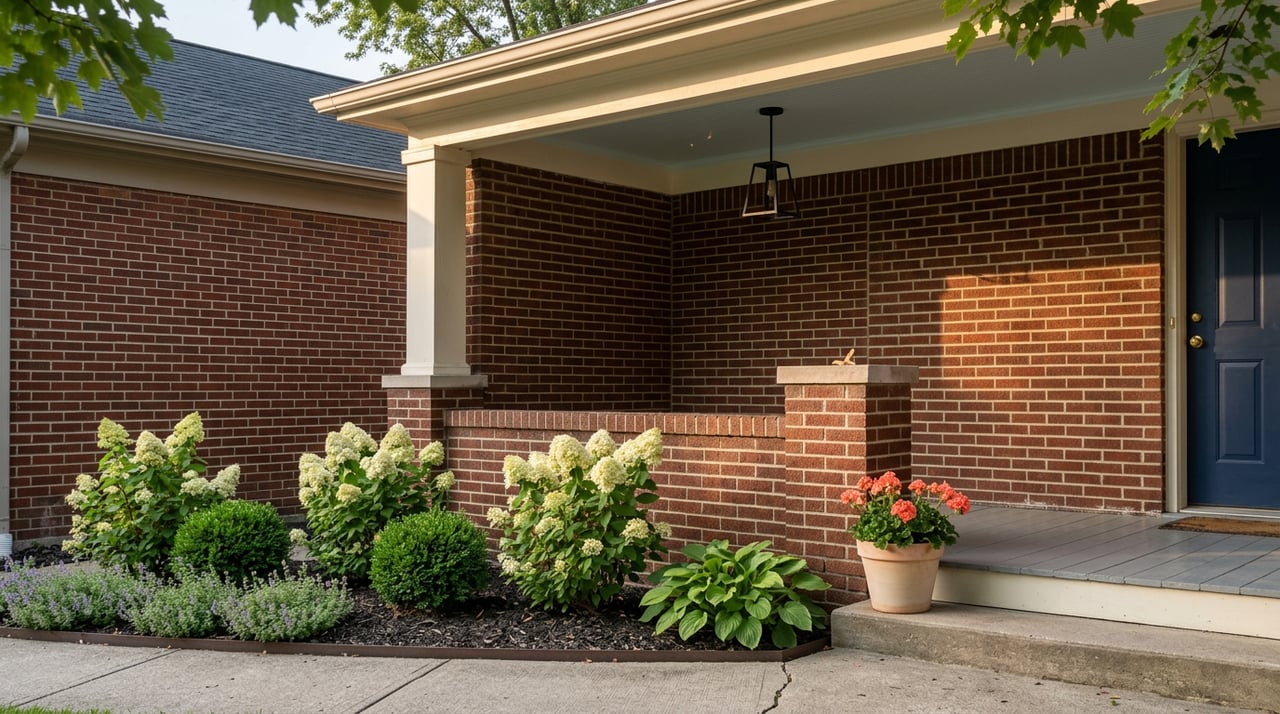
Photos are one of the biggest drivers of renter interest. Zillow reports that 60% of renters rate viewing photos as very or extremely important, and it recommends using at least 10 photos, showing every room, exterior areas, natural light, and clear images of parking or outdoor space.
The first photo matters too. Zillow notes that kitchen or living room images often perform best as the primary image, likely because they help renters understand the home quickly. If your property has off-street parking, a clean backyard, or a renovated kitchen, make sure those features are easy to spot.
Not every feature carries the same weight. Zillow reports especially strong engagement for off-street parking and in-unit laundry, while many renters also value private outdoor space, security features, recent renovations, broadband internet, and access to transit, shopping, and walkability.
For Detroit owners, that means your marketing should focus on useful, concrete details. Instead of vague phrases, describe what is actually there, such as private driveway parking, recently updated flooring, fenced outdoor space, or in-unit washer and dryer.
Transparency helps reduce wasted showings and low-quality leads. Zillow advises owners to be upfront about rent, deposits, fees, lease term, pets, smoking, noise, and parking, and its 2026 renter research says nearly all renters expect fees to be shown up front.
A less-specific listing may generate more inquiries, but that does not mean it will lease faster. In practice, complete and honest listings do a better job filtering for renters who are both interested and prepared.
If your property allows pets, you may widen your applicant pool in a meaningful way. Zillow says 58% of renters have pets, and pet-friendly listings are typically leased eight days faster while earning more views, saves, and shares than non-pet listings.
That does not mean every property should allow pets. It does mean owners should make the decision strategically instead of by default. If the layout, flooring, yard, or building setup supports it, a pet-friendly policy may help reduce vacancy.
If you do allow pets, clearly describe any limits that apply to the property and lease terms. At the same time, remember that assistance animals are not treated as pets under Michigan guidance, so your pet policy should not treat them the same way.
This is another reason clear, consistent policies matter. The goal is to communicate property rules without creating confusion or unfair barriers.
Tenant screening should help you make a sound business decision while treating every applicant consistently. It is not just about reducing risk. It is also about following fair housing and consumer reporting rules.
The Fair Housing Act prohibits discrimination in rental housing based on race, color, national origin, religion, sex, familial status, and disability. That includes advertising, so your listing language should never signal a preference, limitation, or exclusion.
When describing your property, stick to the home itself and objective features. Focus on layout, condition, parking, updates, lease terms, and nearby amenities like transit or shopping. Avoid wording that suggests who should or should not live there.
HUD has also stated that tenant screening and online advertising tools that use artificial intelligence or algorithms still must comply with fair housing law. Applicants must have an equal opportunity to be evaluated on their own merit, even if technology is involved in the process.
If you use a third-party tenant screening report, the FTC says landlords must have a permissible housing purpose. If you deny an applicant, require a cosigner, or change terms because of that report, you generally must send an adverse action notice that includes the screening company’s contact information and the applicant’s dispute rights.
This is one area where consistency matters a lot. Clear standards, applied the same way for each applicant, can help you make better decisions and avoid unnecessary problems.
Successful leasing in Detroit is no longer just about putting a sign in the yard and waiting. Owners now have to coordinate city compliance, possible lead-clearance steps, pricing, media, listing quality, disclosures, showings, and screening.
That is why better pricing, fuller disclosure, and higher-quality presentation are not cosmetic extras. They are part of vacancy control. When the property is compliant, the listing is complete, and the price matches current competition, you give yourself a much better chance of attracting serious renters sooner.
If you own one rental, inherited a property, or are leasing out a former residence for the first time, the process can feel heavier than expected. Detroit’s requirements and today’s renter expectations leave less room for improvising.
Professional support can be valuable when you need help coordinating property readiness, positioning the rental competitively, and presenting it in a way that attracts qualified interest. For owners who want a more polished, lower-friction lease-up process, hands-on marketing and leasing guidance can save time and reduce avoidable vacancy.
If you are preparing to lease out a Detroit property and want a strategy grounded in presentation, transparency, and local market realities, connect with Jerome Dixon for personalized guidance.
Stay up to date on the latest real estate trends.

Whether it's finding the perfect dream home, selling a property at the best possible price, or identifying lucrative investment opportunities, Jerome's tireless efforts and commitment to delivering exceptional value make him the go-to Real Estate Agent in Birmingham. Contact him today!