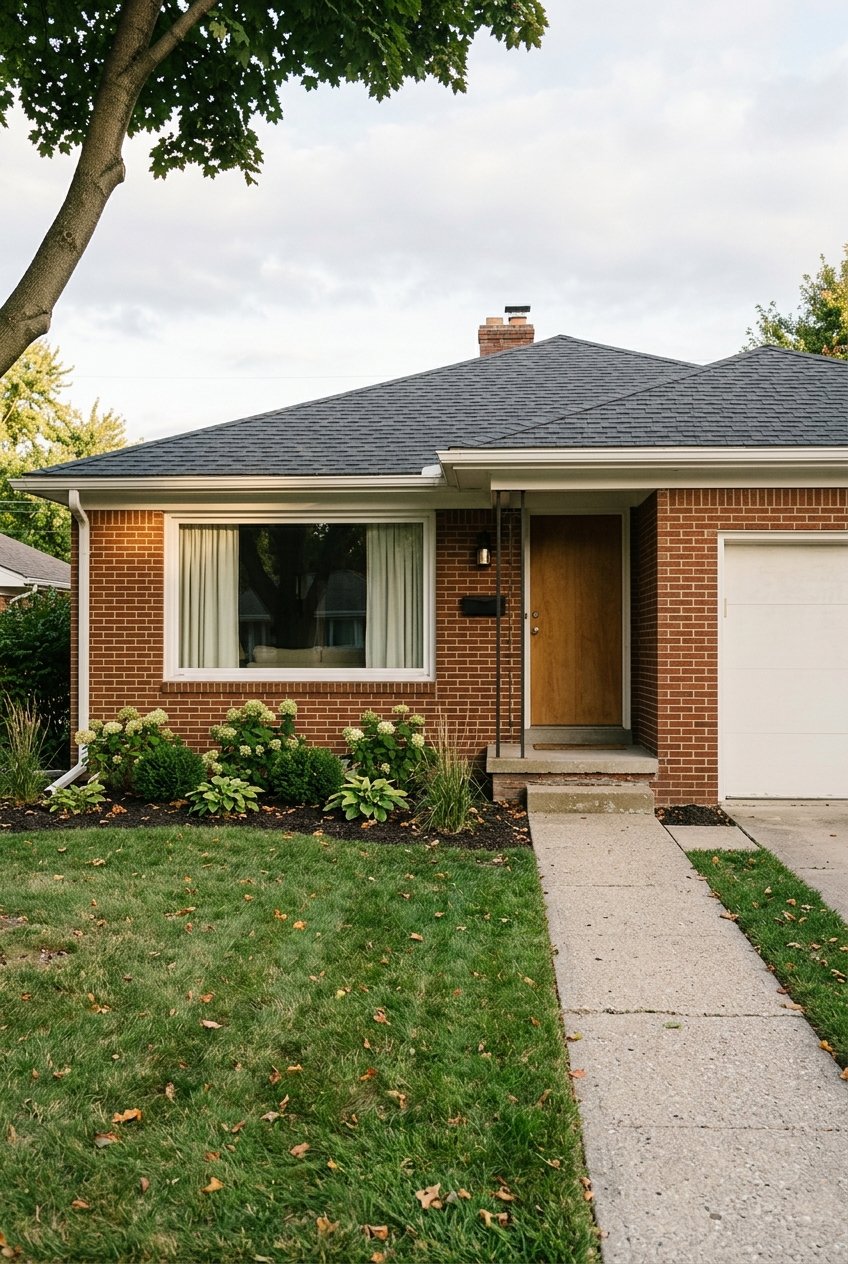
You want the right home in Troy, and you want a loan that fits your budget today and your long‑term plans. Choosing between FHA and conventional financing can feel confusing, especially with appraisals, condo approvals, and mortgage insurance in the mix. In this guide, you’ll get a clear, Troy‑focused breakdown of how each loan works, how local property types factor in, and a practical roadmap to decide with confidence. Let’s dive in.
FHA vs. conventional: key differences
- FHA often suits buyers with modest savings or lower credit. You get a low documented minimum down payment and more flexible minimum credit rules on paper, but mortgage insurance is required upfront and annually, and property standards on appraisal are stricter.
- Conventional loans usually reward stronger credit and larger down payments with better pricing. Private mortgage insurance (PMI) can be cheaper if your credit is strong, and you can remove PMI later.
- For higher‑priced Troy homes, FHA loan limits and life‑of‑loan mortgage insurance can reduce FHA’s appeal. Conventional loan options often work better for move‑up price points.
Down payment rules and what works in Troy
- FHA: Minimum 3.5% down for FICO 580 and above. If your FICO is 500 to 579, FHA requires 10% down. Many local lenders set their own higher minimums, so your real options depend on the lender.
- Conventional: Standard options range from 5% to 20% down. Some first‑time buyer programs allow 3% down, including Fannie Mae’s HomeReady and Freddie Mac’s Home Possible, but income and occupancy rules apply.
What this means for Troy: A small down payment can get you in the door, but the total cost depends on your credit, loan size, and mortgage insurance. Compare both paths before you write offers.
Mortgage insurance: cost and cancellation
- FHA mortgage insurance includes an upfront fee of 1.75% of the loan amount, which can be financed, and an annual premium that varies by loan size, term, and loan‑to‑value. If your starting LTV is over 90%, the annual premium lasts for the life of the loan. If 90% or less, it lasts 11 years.
- Conventional PMI pricing varies by credit score, LTV, and insurer. PMI can be removed. You can often request removal near 80% LTV if you meet conditions, and many loans get automatic termination at 78% LTV on the original schedule. The CFPB explains PMI and how it works.
What this means for Troy: If you expect to build equity quickly or have strong credit, conventional PMI that eventually goes away can be cheaper over time than FHA’s long‑running MIP.
Credit score, DTI, and pre‑approval
- FHA minimums on paper go lower than conventional. In practice, many lenders use stricter score and debt‑to‑income (DTI) overlays. FHA can allow higher DTI with compensating factors.
- Conventional pricing usually improves above a 700 FICO, and many lenders target around 45% DTI. Higher DTI may be possible with strong compensating factors.
Local tip: Get a full pre‑approval with at least two lenders. Ask each one to quote interest rate, APR, and exact mortgage insurance based on your credit and down payment. The overlays in Oakland County can differ by lender.
Appraisals and property condition in Troy
- FHA appraisals include a valuation plus a health, safety, and habitability review. Items like missing handrails, peeling paint in certain cases, active water intrusion, or significant roof issues can trigger required repairs.
- Conventional appraisals focus on value and comparable sales. Lenders can still require repairs, but minor items are less likely to delay closing.
- Renovation paths exist. FHA 203(k) and conventional renovation products, such as Fannie Mae HomeStyle, can help you finance improvements.
What this means for Troy: Older ranches and mid‑century homes may trigger more FHA repair requests. If a property needs work, talk to your lender about renovation options early.
Buying a condo in Troy
- FHA requires the condo project to be FHA‑approved or spot‑approved. You can search the HUD approved condo list to confirm status.
- Conventional loans have their own project review rules. Some projects that are not FHA‑approved may still qualify for conventional.
- HOA health matters. Lenders consider HOA dues, reserves, insurance, and special assessments when they underwrite a condo loan.
What this means for Troy: If you are eyeing a condo near shopping, entertainment, or employment centers, verify FHA approval early and review HOA documents before you waive contingencies.
Loan limits and price fit in Oakland County
What this means for Troy: If your target price exceeds FHA or conforming limits, you may need jumbo financing or a larger down payment. Knowing the limit ahead of time helps you write stronger offers.
How to choose: a Troy buyer roadmap
- You have strong credit and plan to stay long term: Compare conventional with and without 20% down. Even if you start with PMI, removal later can reduce lifetime cost.
- You are a first‑time buyer with modest savings: FHA’s 3.5% down can help you purchase now. Compare total cost with a 3% to 5% down conventional option to see which keeps monthly and lifetime costs lower.
- You have higher DTI or recent credit blemishes: FHA may be more flexible, but lender overlays can still apply. Get quotes from more than one lender.
- You are buying a condo: Confirm FHA approval early. If the project is not approved, conventional financing might be the path.
- You are buying a home that needs repairs: Consider a renovation loan. Align the loan choice with the scope and timing of the work.
Lender questions and a quick checklist
Ask each lender:
- What down payment gives me the best combined monthly payment and lifetime cost?
- If I choose FHA, how much will the 1.75% upfront MIP add to my balance and monthly payment?
- If I choose conventional, what is my PMI cost at my FICO and LTV, and how soon can I remove it?
- Do you have any overlays on credit score, DTI, or gift funds for Oakland County buyers?
- For a condo, can you confirm project eligibility and any lender‑specific restrictions?
Have these ready for pre‑approval:
- Recent pay stubs, W‑2s, and tax returns.
- Two months of bank statements and a government ID.
- Proof of funds for down payment and closing, plus letters of explanation for any recent credit issues.
Resources to explore:
Example: compare on a Troy home
Here is a simple way to compare an FHA loan to a conventional loan on the same property:
- Ask your lender for two full quotes on the same price and lock period: one FHA at 3.5% down and one conventional at 3% to 5% down. Include rate, APR, and all mortgage insurance.
- For the FHA quote, review the 1.75% upfront MIP and how it changes your financed loan amount. Confirm the annual MIP percentage and duration.
- For the conventional quote, review monthly PMI, any options for single‑premium or lender‑paid PMI, and when PMI can be removed based on your amortization.
- Compare total monthly payments, estimated cash to close, and the five‑year cost. If you expect rising equity from payments or market appreciation, factor in PMI removal timing on the conventional path.
The bottom line for Troy buyers
Both FHA and conventional loans can get you home. The right choice depends on your credit, down payment, property type, and how long you plan to own. If you compare real quotes side by side and confirm condo or loan limit details early, you will move faster and write stronger offers.
If you want local, hands‑on guidance, connect with Jerome Dixon. We will walk you through your options, coordinate with your lender, and help you match financing to the right Troy home.
FAQs
How much down payment do I need to be competitive in Troy?
- Many buyers succeed with 3% to 5% down using conventional programs or 3.5% down with FHA, but your best option depends on credit, loan limits, and mortgage insurance costs.
Can I use gift funds with FHA or conventional loans in Oakland County?
- Yes, both allow gift funds under program rules, but lenders often apply overlays on documentation and minimum borrower contributions, so ask your lender what they require.
Will an FHA appraisal require the seller to make repairs in Troy?
- FHA appraisals flag health and safety items that must be repaired before closing, which can add time; discuss timing and potential repairs with your agent and lender early.
My credit score is in the mid‑600s; should I choose FHA or conventional?
- Get quotes for both, because FHA may price better at lower scores while conventional could still be competitive depending on PMI and lender overlays.
How long until mortgage insurance is gone on each loan type?
- Conventional PMI can often be removed around 80% LTV and terminates by law at 78% on many loans, while FHA’s MIP lasts 11 years at 90% LTV or less and for the life of the loan above 90%.
What if the condo I want in Troy is not FHA‑approved?
- You can check the project on HUD’s list and, if it is not approved, ask your lender about conventional financing or spot approvals if available.
Are there Michigan down payment assistance programs that work with these loans?
- Many buyers pair loans with Michigan programs offered by MSHDA, but availability and rules change, so review current options directly with your lender and MSHDA.
For a move‑up purchase, is it worth putting 20% down to avoid PMI?
- Often yes for long‑term holds, but compare five‑ to seven‑year costs; sometimes keeping cash for reserves or improvements can outweigh the savings from avoiding PMI.
How do local lender overlays in Troy affect FHA eligibility?
- Overlays can raise minimum credit scores, cap DTI, or limit gift funds, so obtain written pre‑approvals from more than one local lender to see your true options.