Imagine living in one side of a Detroit duplex while the other unit helps pay your mortgage. If you are a first-time buyer or a new investor, house hacking can be a smart path to ownership and wealth building. You want clear steps, real numbers, and Detroit-specific rules so you can move forward with confidence. This guide gives you the essentials, from financing to city inspections, plus a simple way to run the math. Let’s dive in.
What house hacking means in Detroit
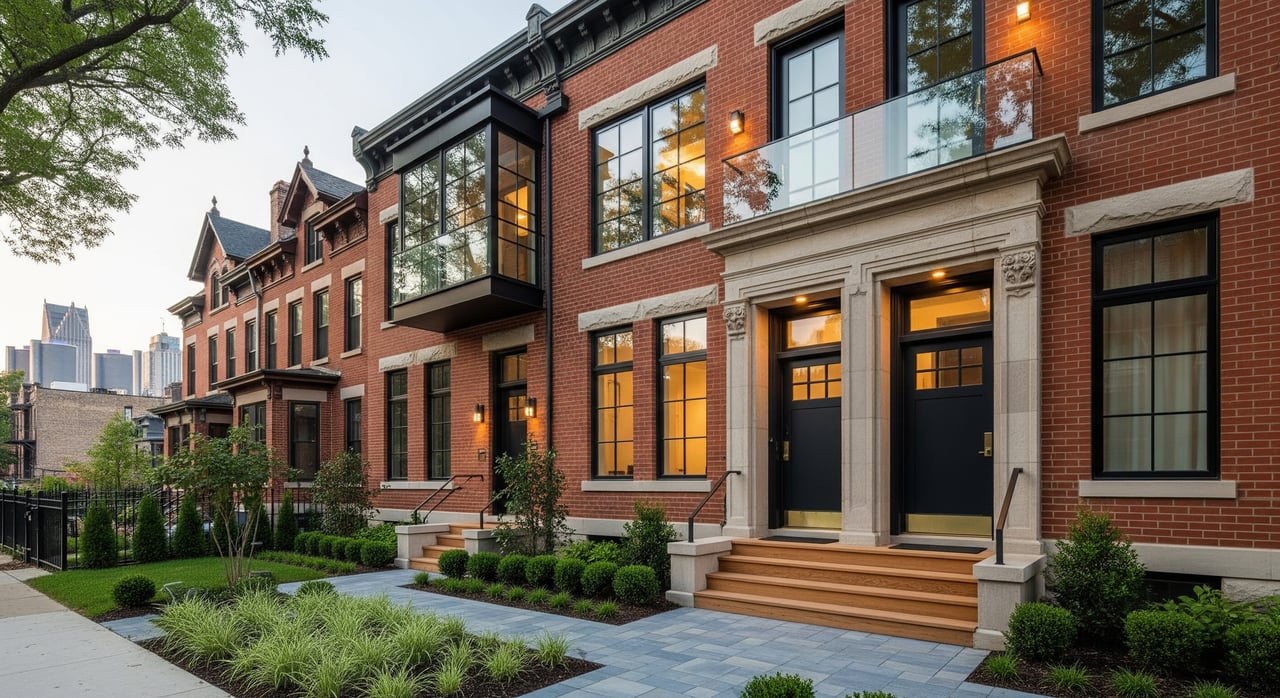
House hacking means you buy a 2-unit property, live in one unit, and rent the other to offset your housing costs. In Detroit, that usually looks like a side-by-side duplex or a stacked two-flat. Owner occupancy matters. It can unlock lower down payment loans and some state or city programs for buyers.
Detroit has many older 2 to 4 unit buildings, which can make entry prices more accessible. The flip side is that older homes may need repairs. Plan for inspections, rehab estimates, and a contingency fund.
Why Detroit works for duplex buyers
You will find a wide range of duplex styles, from classic two-flats to converted homes. Many sit near job centers, schools, hospitals, and transit. Your goal is to match property type and location with the rental demand you want.
Be realistic about condition. Older wiring, roofs, plumbing, or shared utilities are common. Build your budget with room for repairs and reserve funds so you are not surprised after closing.
Where to look and what to buy
Detroit’s duplex stock includes:
- Side-by-side and stacked two-flats
- Small 3 to 4 unit walkups
- Legal two-family conversions
When you tour, check basics like foundation, roof, and water in the basement. Ask about separate utility meters versus a single master meter. Walk the block at different times of day and confirm local rental demand with fresh comps.
Financing options for owner-occupants
Most house hackers use one of these loan types:
- FHA loan: Popular for low down payment. FHA permits owner-occupied 2 to 4 unit properties if the home meets standards and you qualify. Review FHA basics on HUD’s site to understand eligibility and property requirements. See HUD’s Single Family Housing resources for an overview: HUD Single Family Housing.
- Conventional loan: Fannie Mae and Freddie Mac allow owner-occupied 2 to 4 units. Down payment and reserve rules can be higher than single-family. Check current guidelines at Fannie Mae’s Selling Guide and Freddie Mac’s Seller-Servicer Guide.
- VA loan: Eligible veterans can buy up to a 4-unit property with no down payment if they occupy one unit. Review VA purchase loan details at VA home loan purchase options.
- MSHDA assistance: Michigan State Housing Development Authority offers homebuyer programs and down payment help for owner-occupants, subject to eligibility. Explore current options at MSHDA Homeownership.
Work with a lender who does a lot of 2 to 4 unit loans. Ask about down payment, reserves, and how they will treat rental income from the other unit.
How lenders count rental income
Many lenders will count a portion of actual or market rent from the other unit to help you qualify. Often they use 75 percent of market rent from the appraiser’s rent schedule or a current lease, but rules vary by program and lender. Confirm exactly how your lender will document and apply rental income before you write offers.
Run the numbers with simple math
Here is an easy framework to test a duplex before you fall in love with it:
- Gross Scheduled Rent = Market rent for the rented unit. Some lenders may also consider market rent for the unit you will live in, but keep your personal budget conservative.
- Effective Gross Income = Gross Rent × (1 − Vacancy). Use a 5 to 10 percent vacancy rate.
- Operating Expenses = Taxes + insurance + owner-paid utilities + maintenance + management + reserves. For small 2-unit properties, a 30 to 50 percent expense range is a common rule of thumb.
- Net Operating Income = Effective Gross Income − Operating Expenses.
- Cash Flow Before Taxes = Net Operating Income − Annual Debt Service.
Example, for illustration only:
| Item |
Amount |
| Market rent for the rented unit |
$1,300 per month |
| Vacancy assumption |
7 percent |
| Effective rent |
$1,300 × 0.93 = $1,209 |
| Expense ratio |
40 percent of effective rent |
| Monthly operating expenses |
$483.60 |
| Net Operating Income |
$1,209 − $483.60 = $725.40 |
| Estimated monthly mortgage (P&I) |
$1,000 |
| Cash flow before taxes |
$725.40 − $1,000 = −$274.60 |
In this example, the other unit almost covers your payment. If you can raise rent, reduce expenses, or secure more favorable loan terms, you may achieve breakeven or better. Always plug in current taxes, insurance quotes, and realistic repair costs before you buy.
Detroit due diligence checklist
Do your homework up front. It will save you time and money later.
Legal and municipal
- Confirm duplex zoning and permitted use through City of Detroit resources. Check that the property is legally a 2-unit and obtain any certificate of occupancy records.
- Review rental requirements with BSEED. Detroit requires registration, inspections, and a certificate of compliance before renting. Start with BSEED rental certification.
- Check property tax status, special assessments, open code violations, and open permits.
- For homes built before 1978, federal lead-based paint disclosures apply. Review HUD guidance at Lead-based paint disclosure.
Physical and building
- Inspect structure, roof, foundation, and look for water intrusion in basements and around porches.
- Evaluate mechanicals: electrical service and wiring type, plumbing material, HVAC systems, and water heaters.
- Check life-safety items: egress, stairs, smoke and CO detectors, and fire separation between units if required.
- Confirm utility metering and who pays what. Pricing utility separation work can prevent surprise costs.
- Get an insurance quote before closing, especially if the property has older systems.
Tenant and financial
- Collect the rent roll, current leases, and security deposit records. Verify tenant payment history.
- Review historical utility bills and maintenance records.
- Obtain contractor bids for required repairs. Add at least 10 to 20 percent contingency for older properties.
Neighborhood and market
- Pull current rental comps and talk to local property managers.
- Review block-level data for vacancy and neighborhood trends on City of Detroit portals.
- Check for planned development, transit changes, or rezoning that may affect demand.
City rules you must know
To rent your unit, Detroit requires registration, inspections, and a certificate of compliance through BSEED. Start the process early so you understand timelines and fees. You can review program details and updates at the BSEED rental certification page.
If the property was built before 1978, lead-based paint disclosure rules apply. For federal requirements and practical steps, read HUD’s guidance on lead-based paint disclosure.
If you need to verify zoning or unit legality, begin with the City’s zoning resources at Detroit Zoning and confirm records with the appropriate department.
Finding properties and setting alerts
The most reliable way to spot new duplex listings is an MLS search set to 2-unit or multi-family, with keywords like “duplex,” “two-flat,” and “two-family.” Ask your agent to set saved searches by neighborhood, price, and days on market.
You can also monitor the Detroit Land Bank for opportunities that may need significant rehab. Sign up for updates at the Detroit Land Bank Authority. Public listing platforms and local investor groups can supplement your search. Use filters for 2 to 4 units and watch for phrases like “tenant occupied,” “needs work,” or “investment.”
Build your house-hack team
- Real estate agent experienced with Detroit duplexes and owner-occupied financing.
- Lender who understands FHA, conventional, VA, and how to use rental income to qualify.
- Licensed inspector plus specialists for electrical, HVAC, and a sewer scope.
- Real estate attorney for leases, zoning, and title review.
- CPA or tax advisor for rental income and depreciation planning.
- Property manager or leasing consultant if you want help with tenant placement and compliance.
Next steps
If house hacking fits your goals, get preapproved for a multi-unit loan, choose a few target neighborhoods, and start touring. Bring a simple underwriting template to every showing, and keep a running list of repair items to price out with contractors.
When you are ready for a focused search and clear numbers, reach out to Jerome Dixon for a consult. You will get a refined MLS setup, on-the-ground guidance, and a plan tailored to your budget and timeline.
FAQs
Can I use an FHA loan to buy a Detroit duplex and live in one unit?
- Yes. FHA permits owner-occupied 2 to 4 unit purchases if the property meets standards and you qualify. Confirm current rules with your lender and review HUD resources.
How much rent do I need to cover my mortgage on a duplex?
- Start with 75 percent of market rent for the other unit, assume 5 to 10 percent vacancy, 30 to 50 percent expenses, then compare the result to your proposed monthly mortgage.
Do I need separate utility meters for each unit in Detroit?
- Not always, but separate metering helps with clean billing and underwriting. Verify the existing setup and price any separation work during due diligence.
What inspections and permits are required before I rent out a unit?
- Detroit requires rental registration, inspections, and a certificate of compliance through BSEED. Begin the process early to understand timelines and costs.
What vacancy and expense ratios should I assume for a duplex?
- A 5 to 10 percent vacancy allowance and a 30 to 50 percent operating expense ratio are common starting points, adjusted for condition and who pays utilities.
How much should I budget for repairs on an older duplex?
- Get contractor bids for needed work and add a 10 to 20 percent contingency. Older systems and hidden issues can increase costs.
How do lenders treat rental income from the other unit when I qualify?
- Many lenders count a portion of actual or market rent, often 75 percent, using leases or an appraiser’s rent schedule. Ask your lender for their exact documentation rules.
Does Detroit have rent control for small multifamily properties?
- Detroit does not have citywide rent control. Confirm any local ordinance or state law changes with a qualified attorney.